NEMAN

Neman Glassworks

Handcrafted Luxury Since 1883

Affordable Luxury

Explore the Catalog
Since 1883

Our Heritage

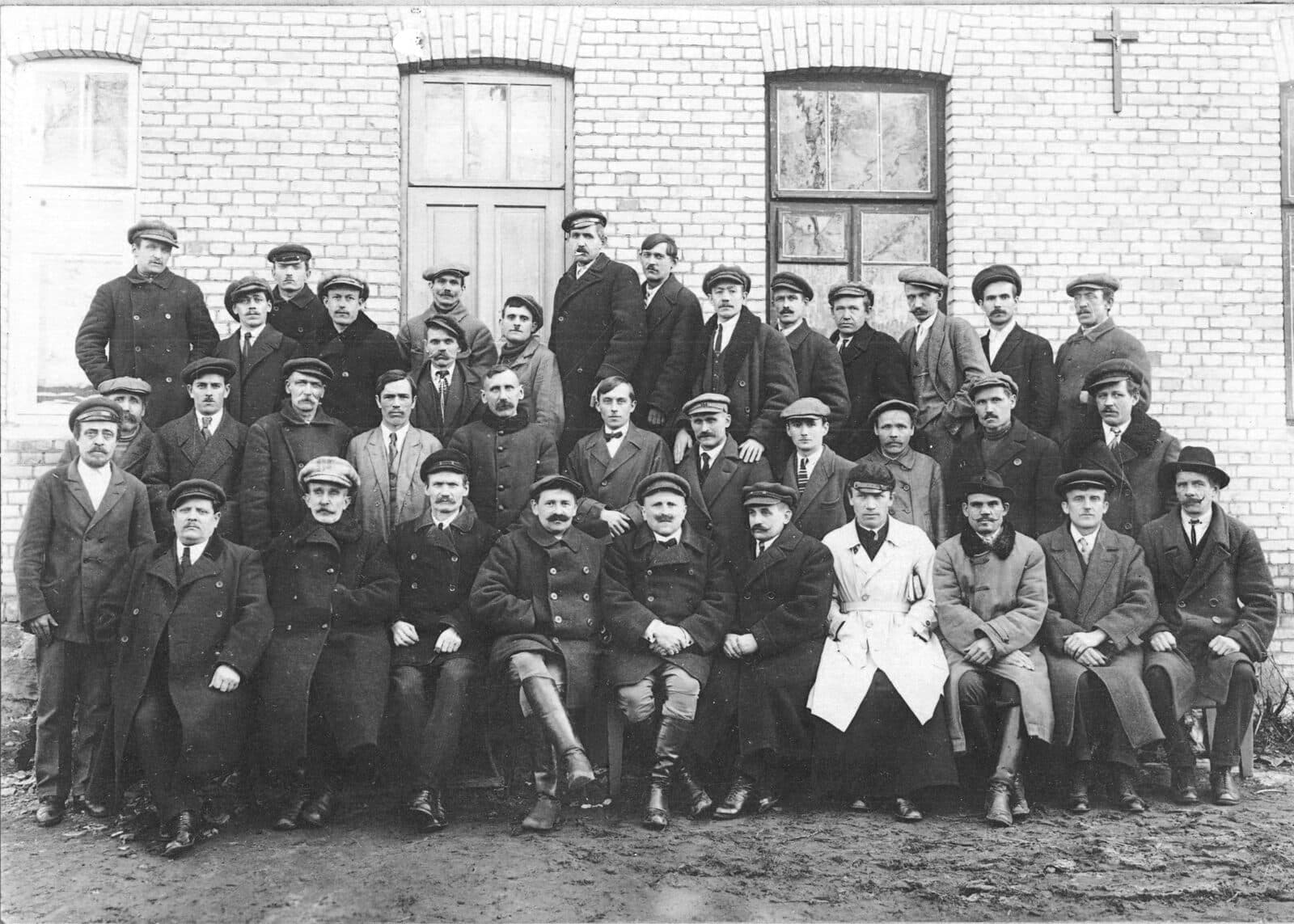
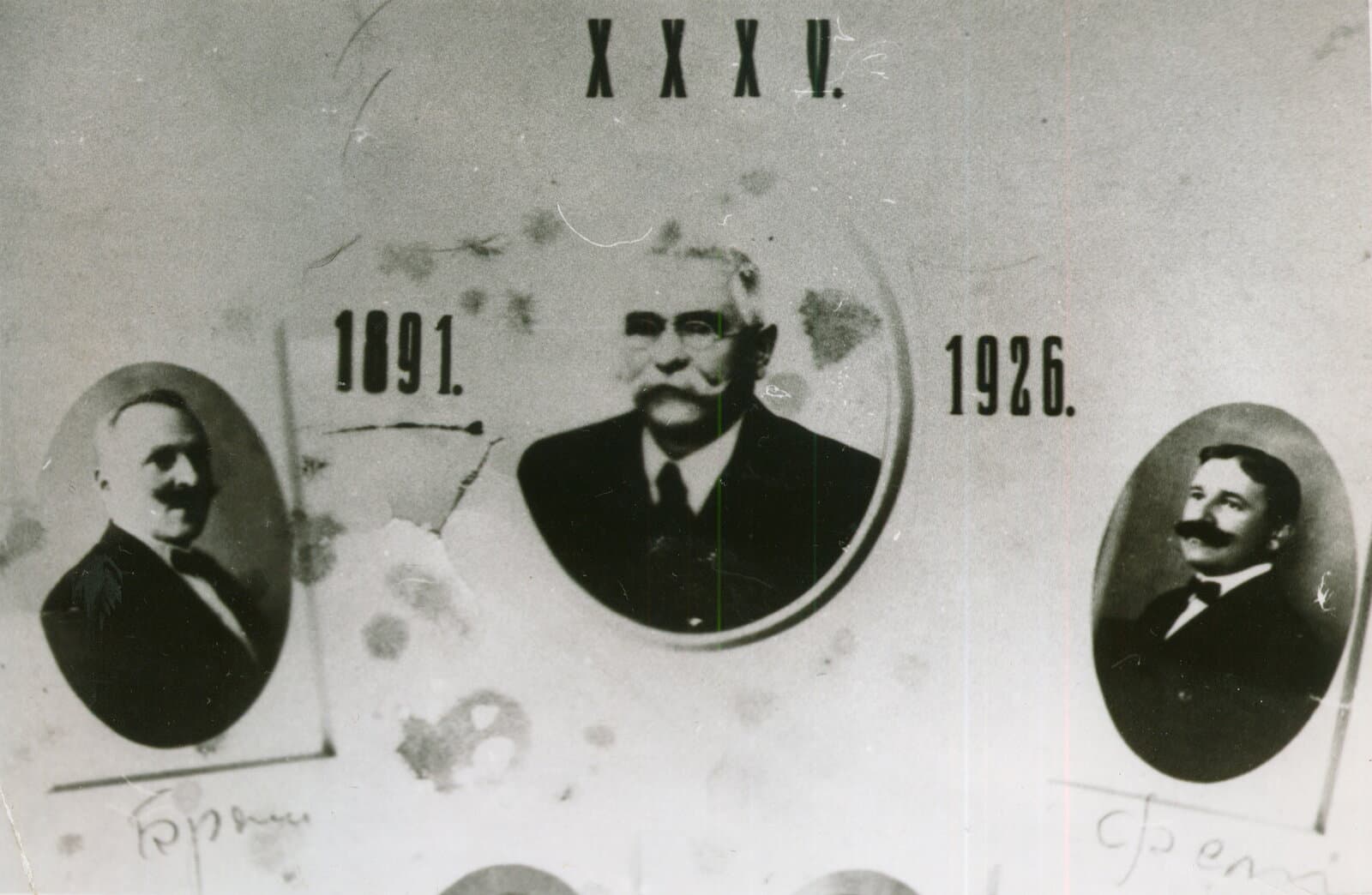
Commemorative tableau marking the works’ 35th anniversary, 1926

Commemorative tableau marking the works’ 35th anniversary, 1926

Juliusz Stolle

Founder, 1855–1927

Bronisław Stolle

General Director

Feliks Stolle

Head of Production

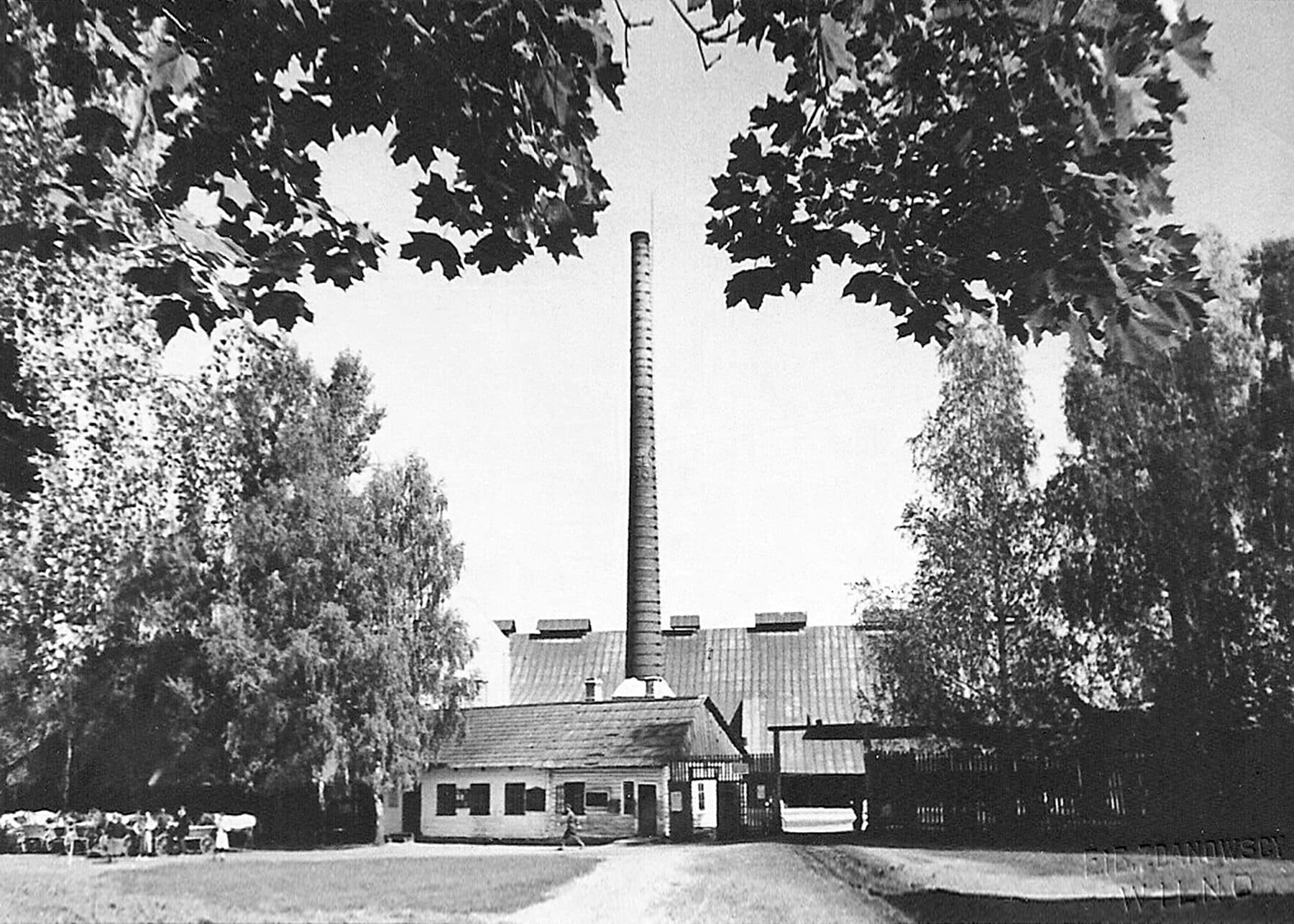
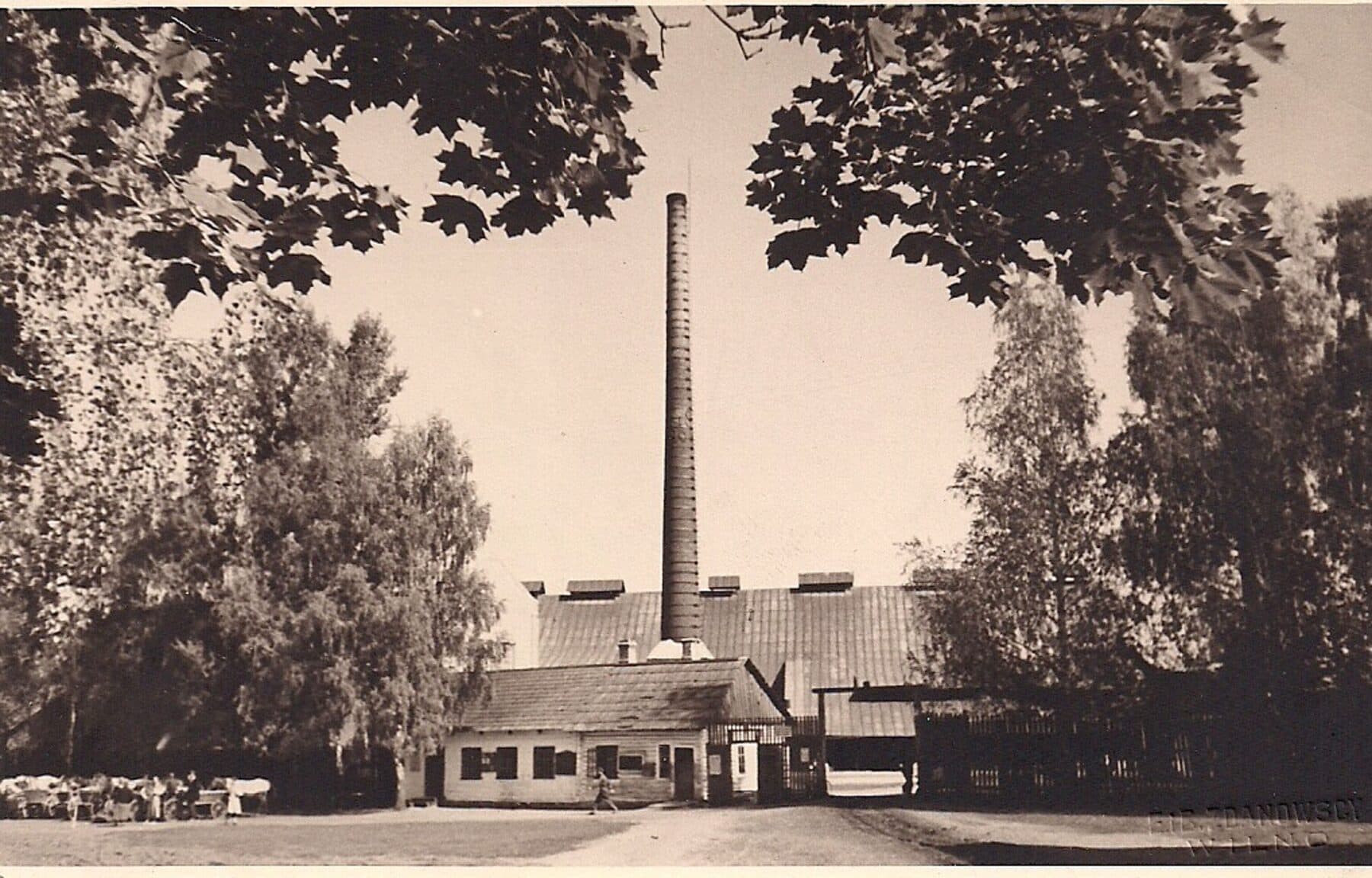
The Brzozówka (Berezovka) glassworks, general view

The Brzozówka (Berezovka) glassworks, general view

1883

A Furnace by the Neman River

On the banks of the Neman River, among the forests of what is today Belarus’s Lida district, a small glass furnace fired its first batch of green glass bottles in 1883. It was leased from a local landowner by two men: Juliusz Stolle, heir to a Bohemian dynasty of glassmakers, and his partner Wilhelm Krajewski. Neither could have known that within a few decades their forest furnace would grow into a manufactory whose crystal was sold in London, Paris and New York — and that the settlement built around it would one day lend its name to an entire town.
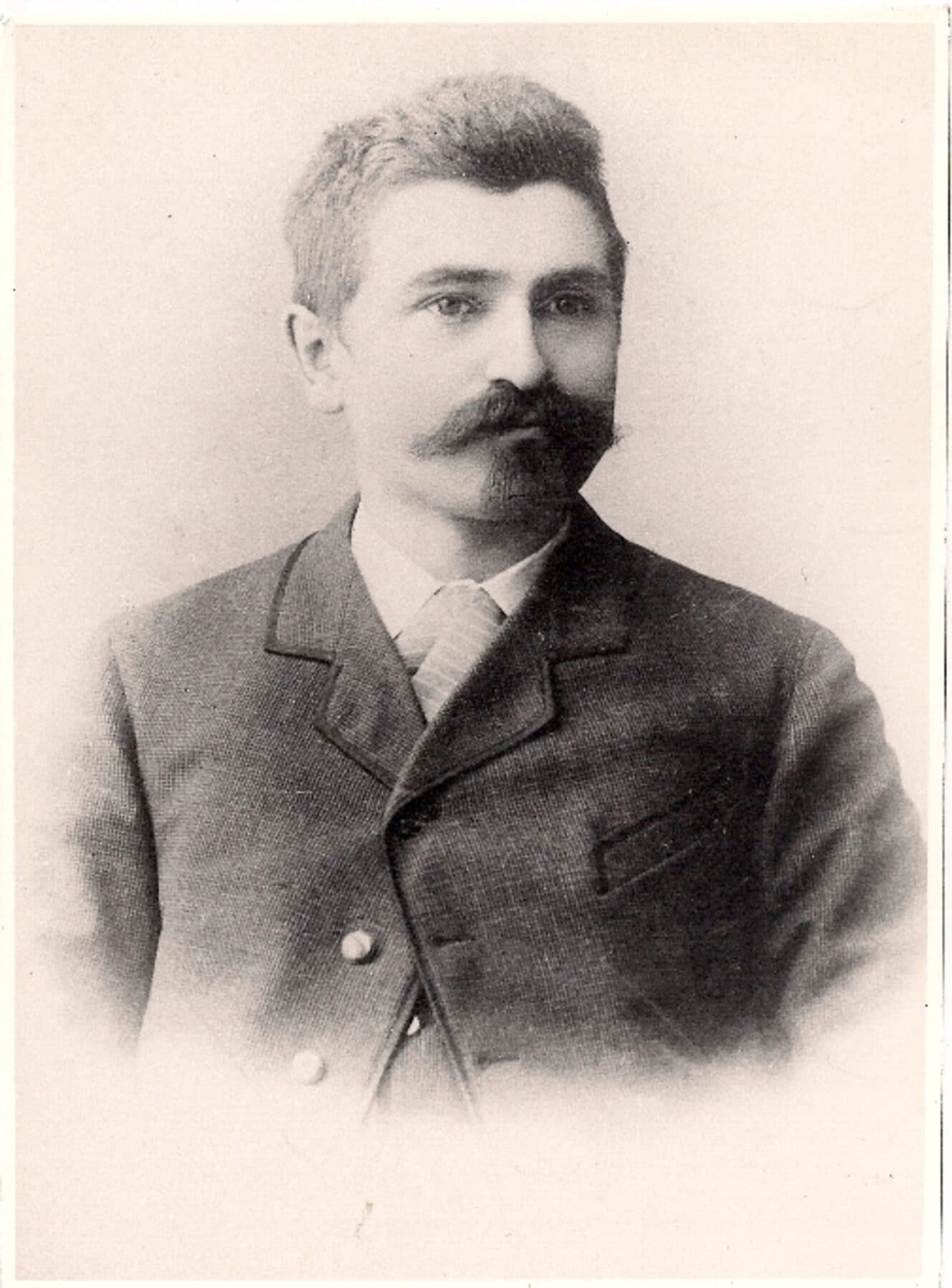
Juliusz Stolle in his early years

Juliusz Stolle in his early years

Origins

A Bohemian Inheritance

The Stolle family’s roots trace back to northern Bohemia — to Chřibská, Kamenický Šenov and Nový Bor, towns where glassmaking passed from father to son since the seventeenth century. Juliusz’s great-grandfather was born there in 1760. Juliusz himself, the eldest of six children, left home in his twenties to seek his fortune in the east: first at glassworks in the Kingdom of Poland, then — after marrying Józefa Liebig in 1877 — at Dyatkovo, the famed crystal works of the Maltsov family, the same dynasty behind Russia’s Gus-Khrustalny. A decade running Dyatkovo’s decorating workshop gave Stolle both capital and the confidence to build something of his own.
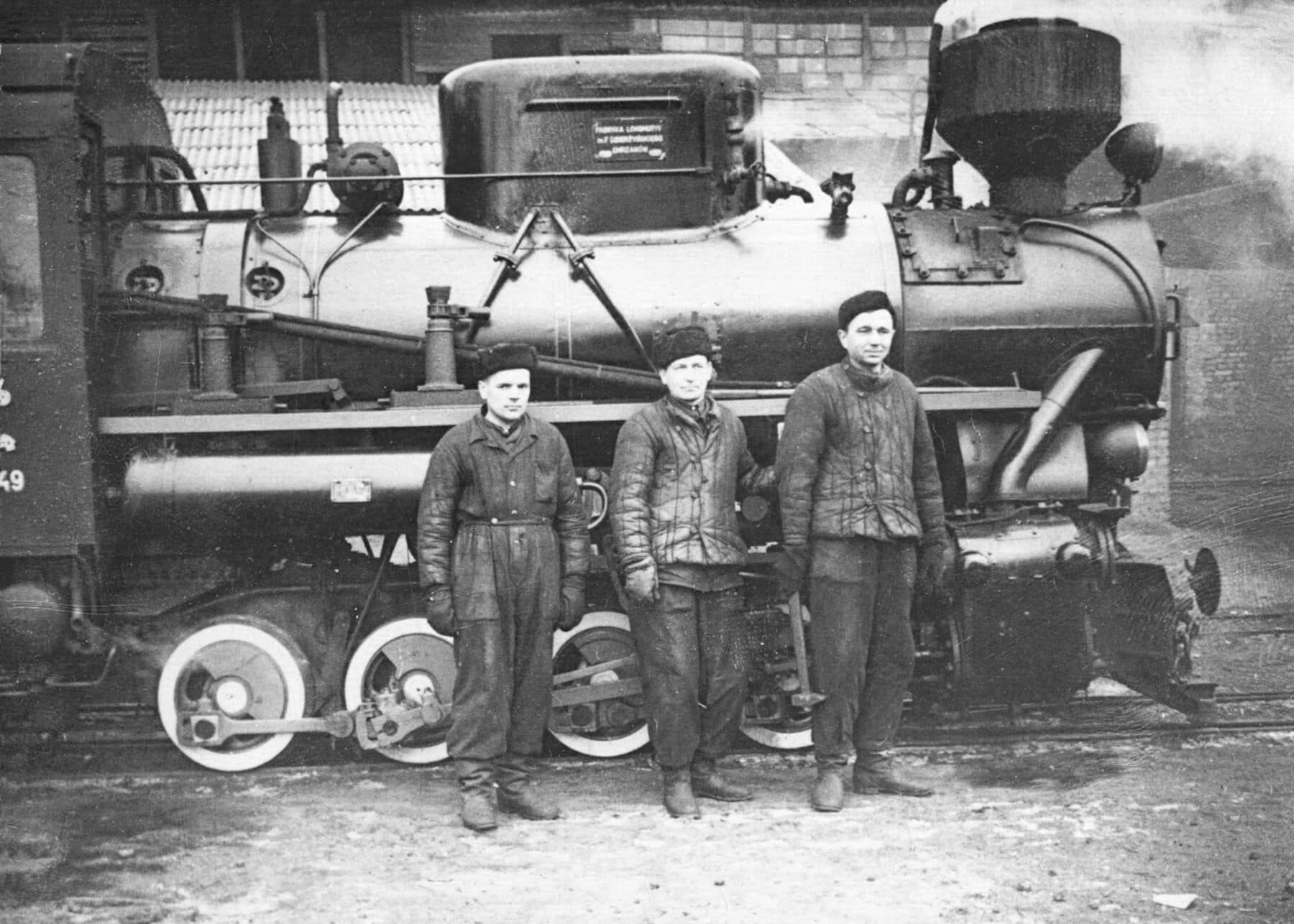
The works’ own narrow-gauge railway crew, 1908

The works’ own narrow-gauge railway crew, 1908

1883–1909

From One Furnace to a Glassmaking Town

Combining 20,000 rubles of starting capital with Krajewski’s technical expertise, Stolle leased a primitive furnace and, within three years, brought in skilled masters from the Siedlce region. The furnace was rebuilt, a hand press installed, a grinding shop added — and growth followed quickly. A second furnace, the “New Huta,” rose beside the first; by the turn of the century the partners bought out a bankrupt works next door, giving rise to a third furnace and lending its name to the whole settlement: Brzozówka, known today as Berezovka. By 1900 roughly 1,600 people worked across the three furnaces on the Neman, and rising profits financed a private narrow-gauge railway to Neman station — sixteen kilometers of track, with six more of sidings, completed by 1909. In 1909 Stolle also bought out Krajewski’s heirs to become sole owner of the works.
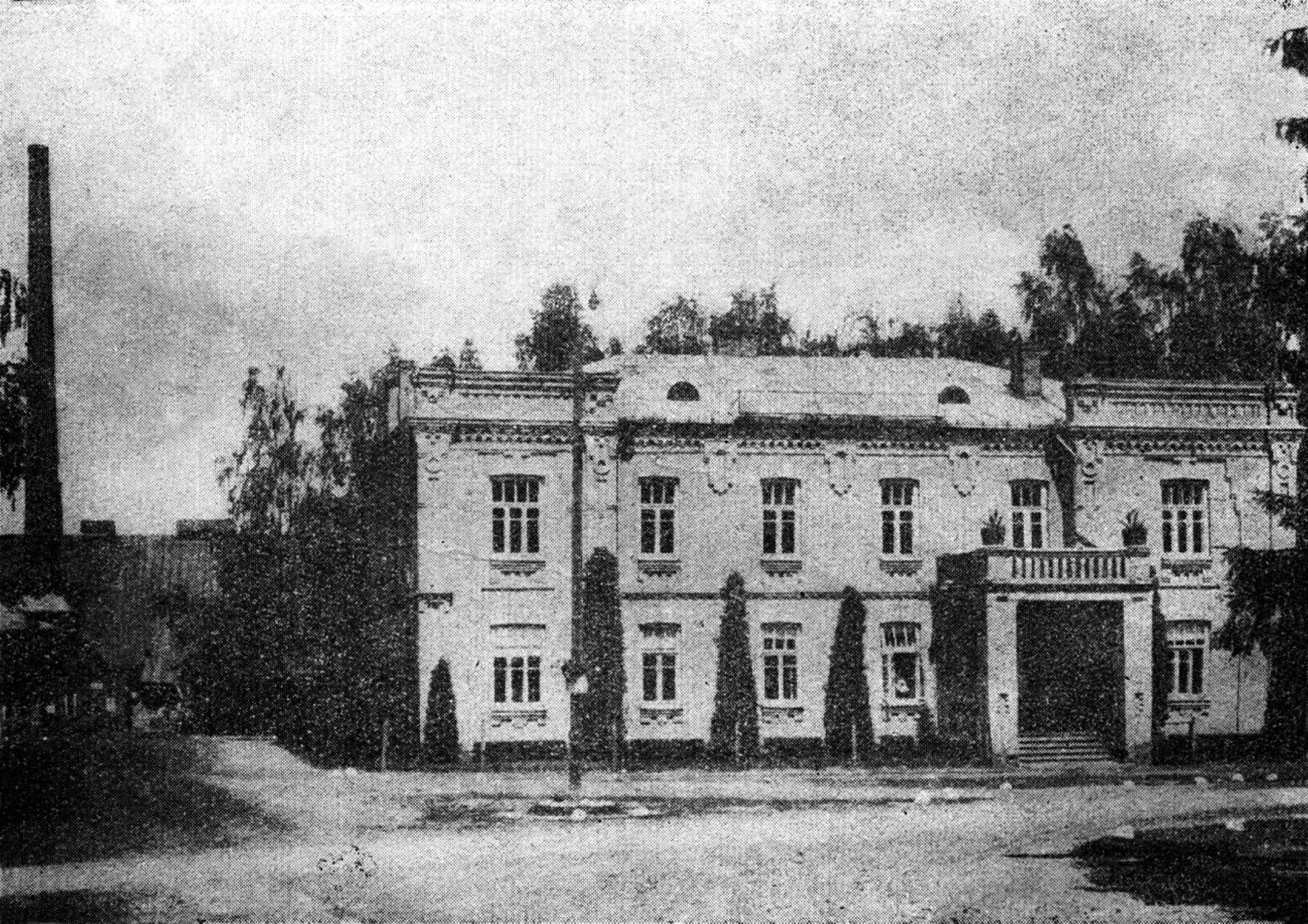
The works’ office building, 1925

The works’ office building, 1925

Community

A Town Grows Around the Works

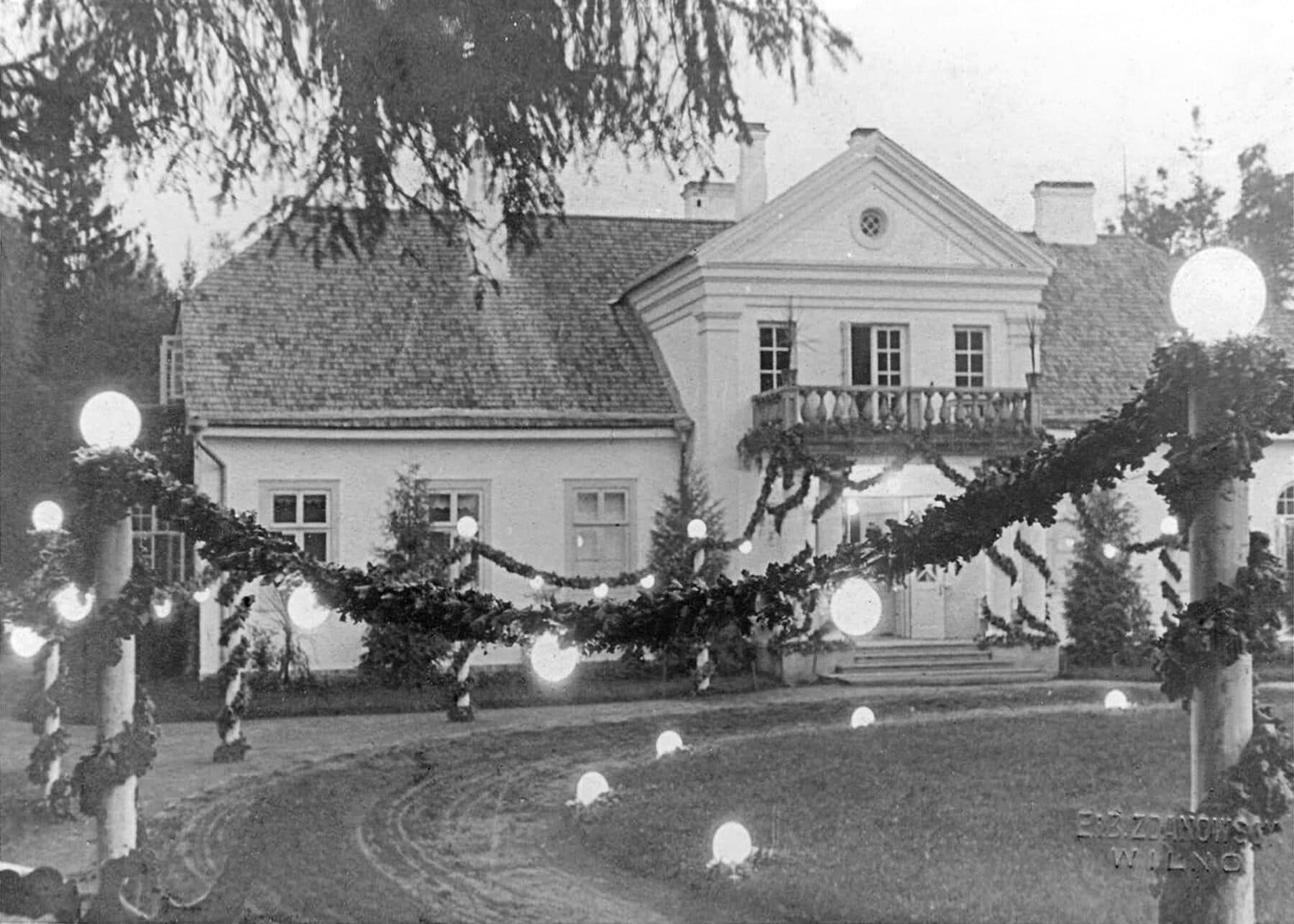
Success reshaped Berezovka itself. A two-storey brick office rose beside the works, with a showroom for finished pieces and its own chapel. The Stolle family lived close by, in a manor known as the “White Cottage.” For the workforce, the company built a wooden church, a kindergarten, a house of education, a clinic, a library, a cooperative store and a stadium; a volunteer fire brigade with its own brass band, and the “Lutnia” choir, were part of daily life. In 1933 the works funded a seven-year school. Roughly half of interwar Berezovka’s 1,200 residents worked at the glassworks.

The works’ management and staff, 1920s
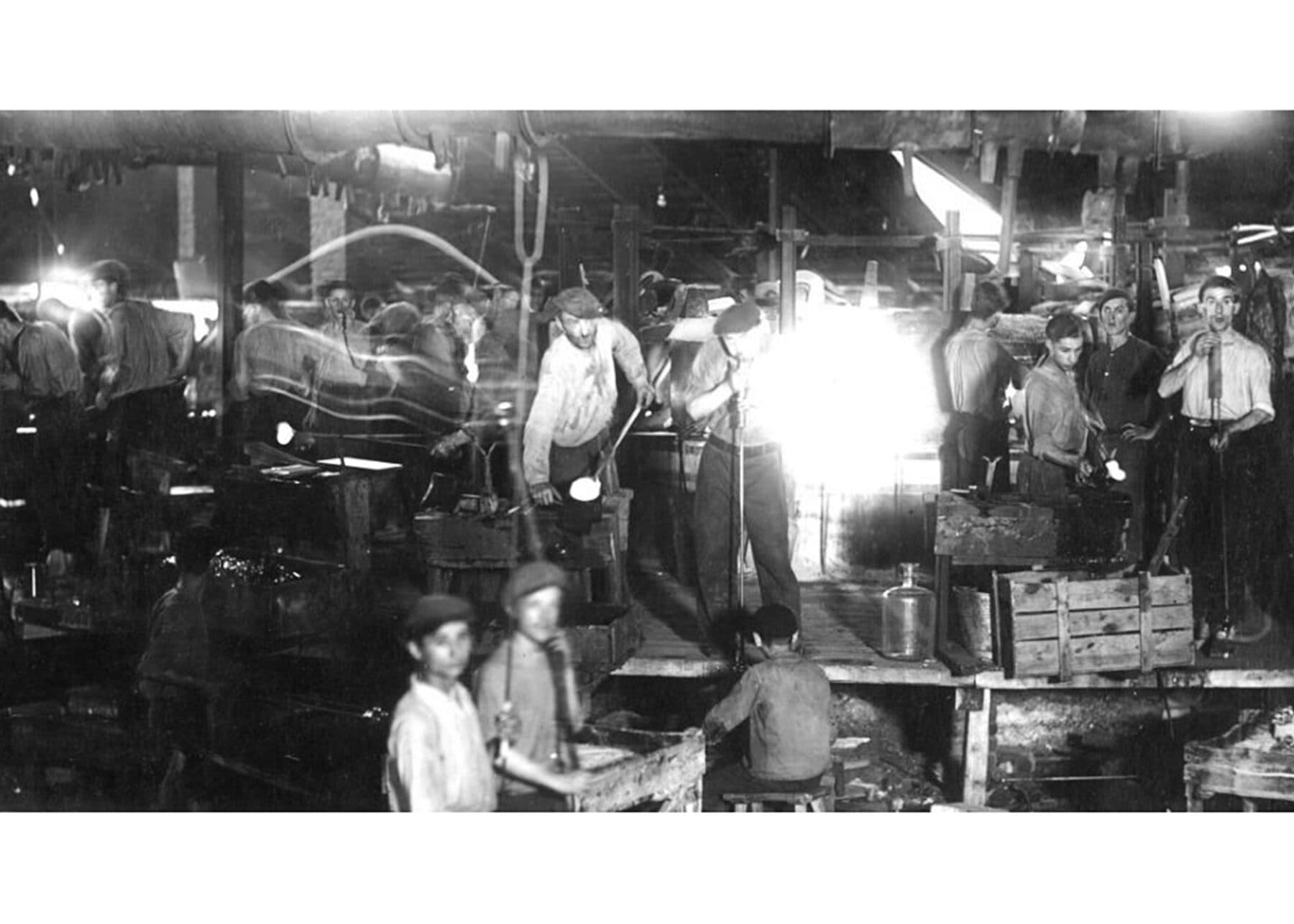
Masters and apprentices at the furnace, 1910

Masters and apprentices at the furnace, 1910

1910

At the Furnace

The most candid photograph of this era was taken directly on the shop floor in 1910: apprentices, some barely more than boys, working among molten glass and lamplight. The working day ran ten hours until 1914, then eight; boys were accepted into the trade no younger than thirteen. By the mid-1930s the works employed more than a dozen master craftsmen across its specialties — men who rose from apprentice to master faster than at older European glassworks.

The “White Cottage,” the Stolle family residence, 1937

The “White Cottage,” the Stolle family residence, 1937

1915–1923

Trial by War

On 15 September 1915, as the Eastern Front of the First World War reached the Neman, production stopped. The retreating Russian army destroyed the “New Huta” along with its entire finished-goods warehouse. Recovery was slow: in 1923, to settle debts owed to his own sons, Juliusz Stolle formalized a partnership with Bronisław and Feliks Stolle, bringing the next generation formally into the business.

The production workshop, 1937

The production workshop, 1937

1926–1930s

The Golden Age

Paradoxically, the works’ true golden age arrived not in prosperous years but during the Great Depression. In 1926, marking the works’ anniversary, its best employees were honored at a jubilee celebration; a year later Juliusz Stolle died (1855–1927), and leadership passed to his sons. Bronisław, as general director, toured Germany, Italy and France studying trends in decorative glass; Feliks ran production directly. The first company catalogue, published in 1911, offered 1,527 models; by the mid-1930s the works produced more than 400 models of pressed and cut glass across 32 glassblowing and 32 grinding workshops. Products reached London through the company’s own agents, France through a Paris agency, Austria and the Middle East through Viennese wholesalers — and by the early 1930s, the leading export markets were the United States and Canada. In 1930–1932 the works accounted for nearly a fifth of all Polish glass industry exports, while its own output made up less than 4% of national production. A small furnace in the forests near Mosty had become one of Europe’s leading exporters of decorative glass.

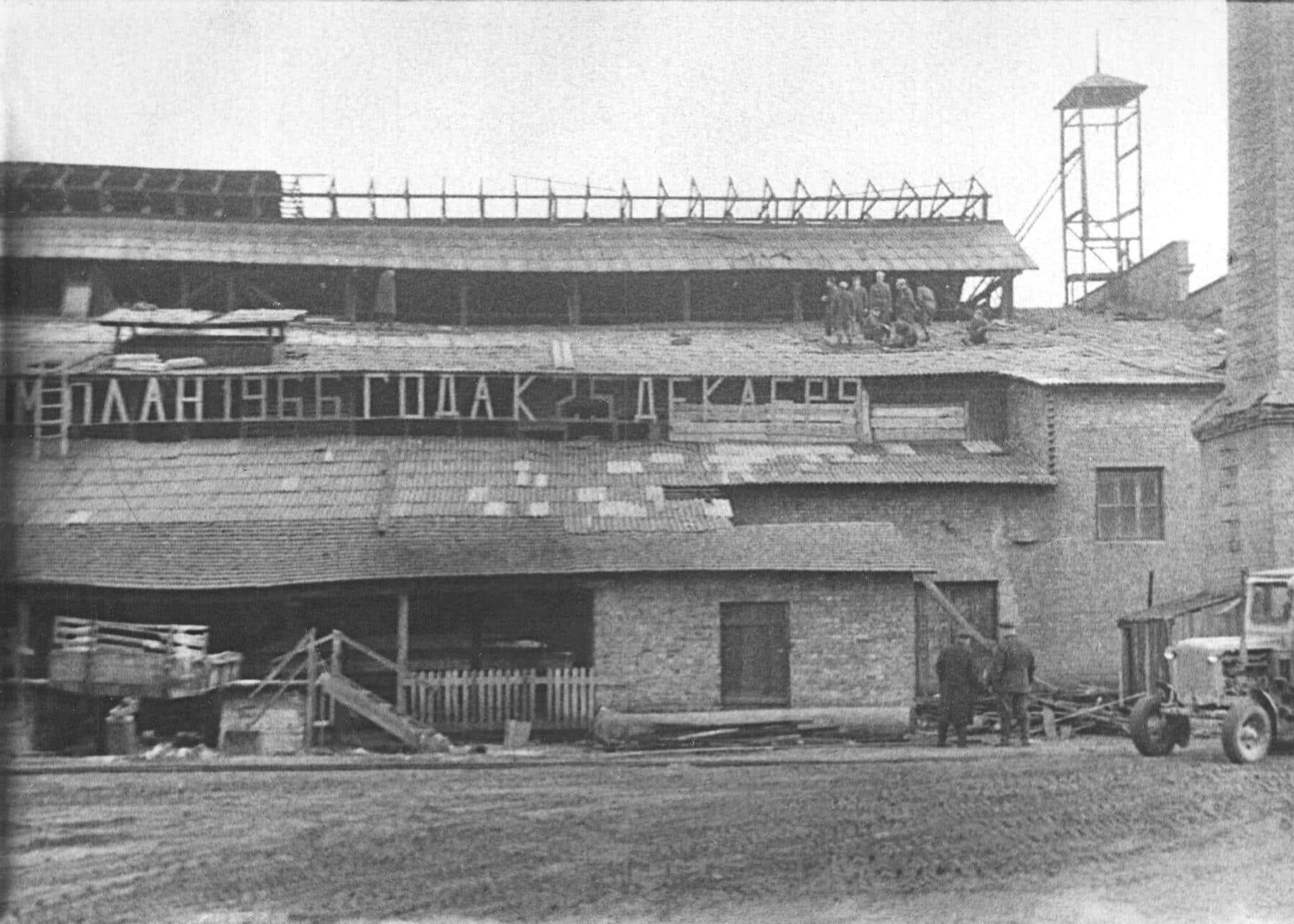
Reconstruction of the production shop, 1966

Reconstruction of the production shop, 1966

1939–1966

Through the Decades

The shadow of a new war fell over the works in 1939. What exactly happened at the glassworks during the occupation years is not documented in detail among the sources available to us today. By 1951, the same narrow-gauge locomotive still ran along the works’ own rail line, and by 1956 the enterprise — now known as Steklozavod Neman — had settled firmly into a new era: its drivers posed for a group photograph at the factory gate, and its glassware traveled to the All-Union Exhibition in Mogilev. By 1966 a major reconstruction of the production shop was underway. Around the same time the works gained its own boiler house, electrical substation, sawmill and foundry, becoming once again a self-contained industrial town, much as it had been half a century before.

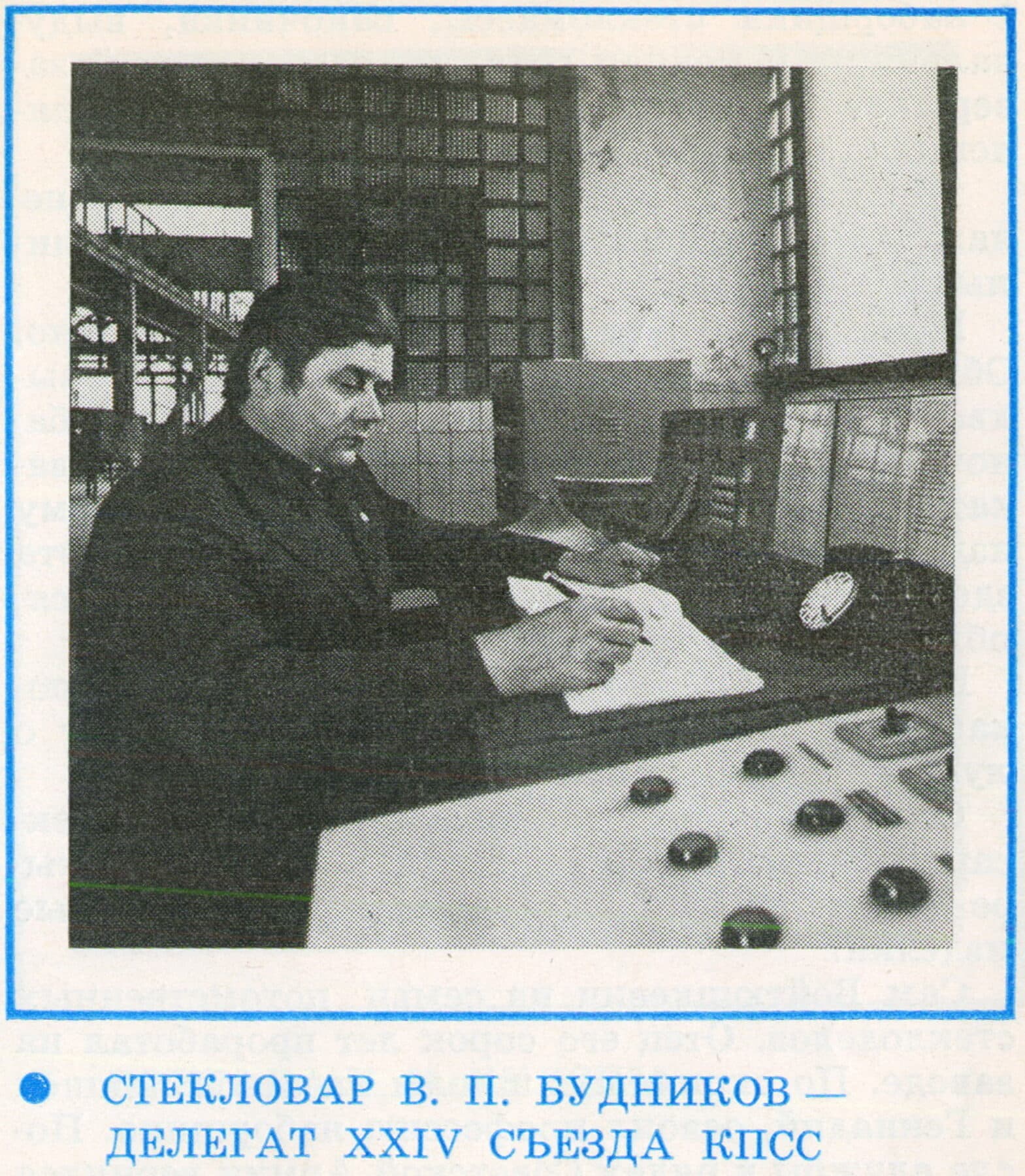
Glass melter Budnikov at the furnace, 1980

Glass melter Budnikov at the furnace, 1980

1970s–1980s

Hands at the Furnace

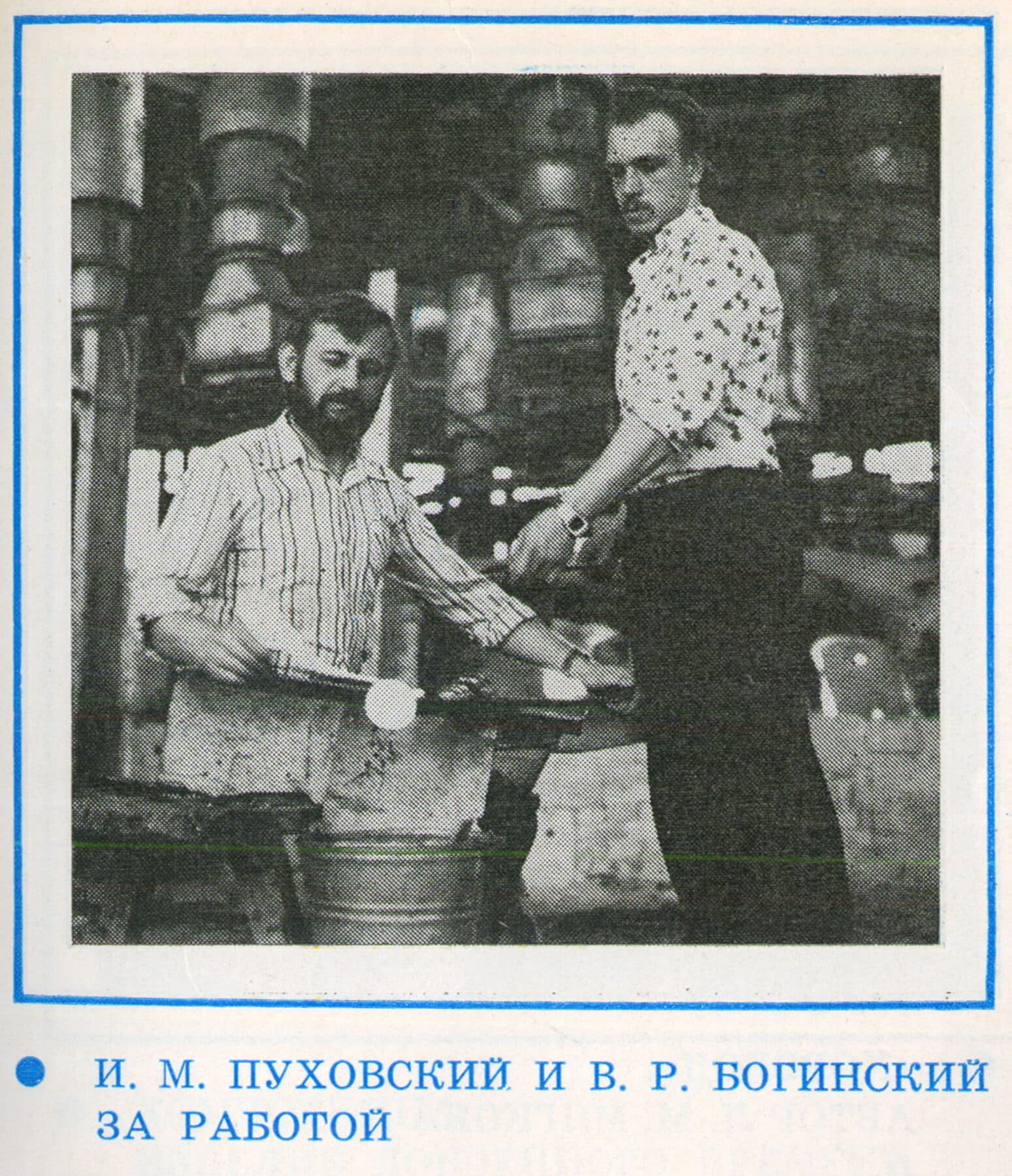
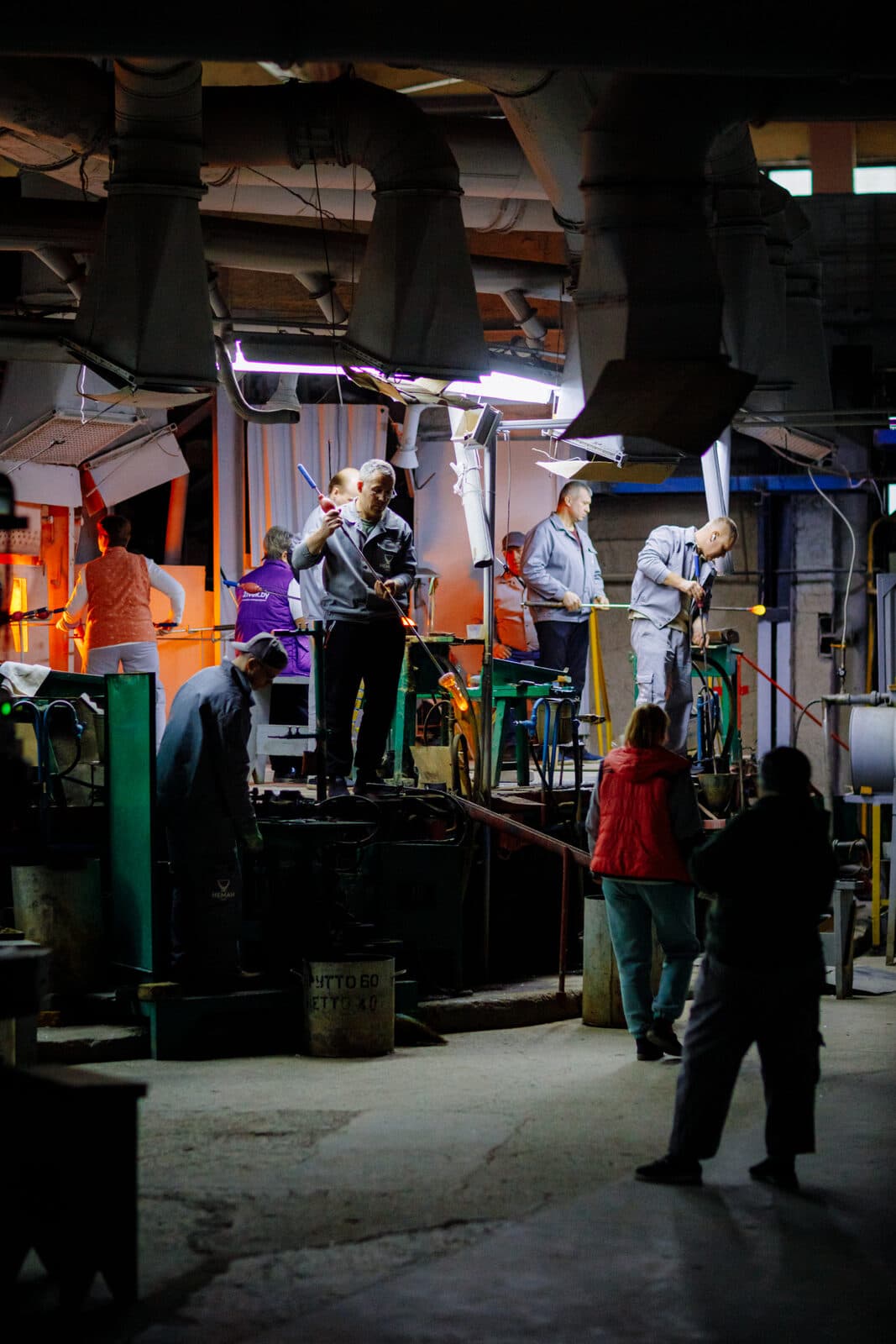
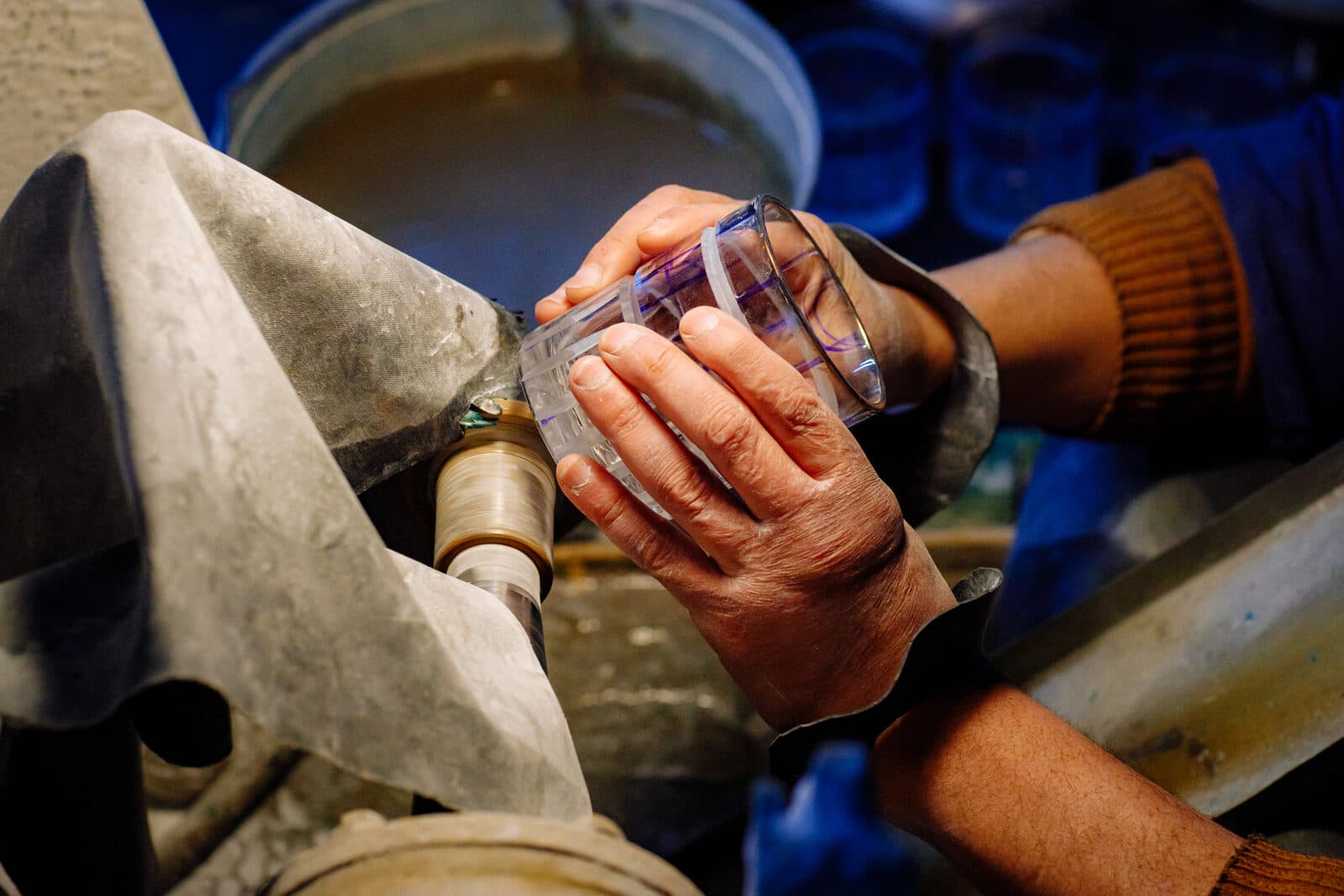
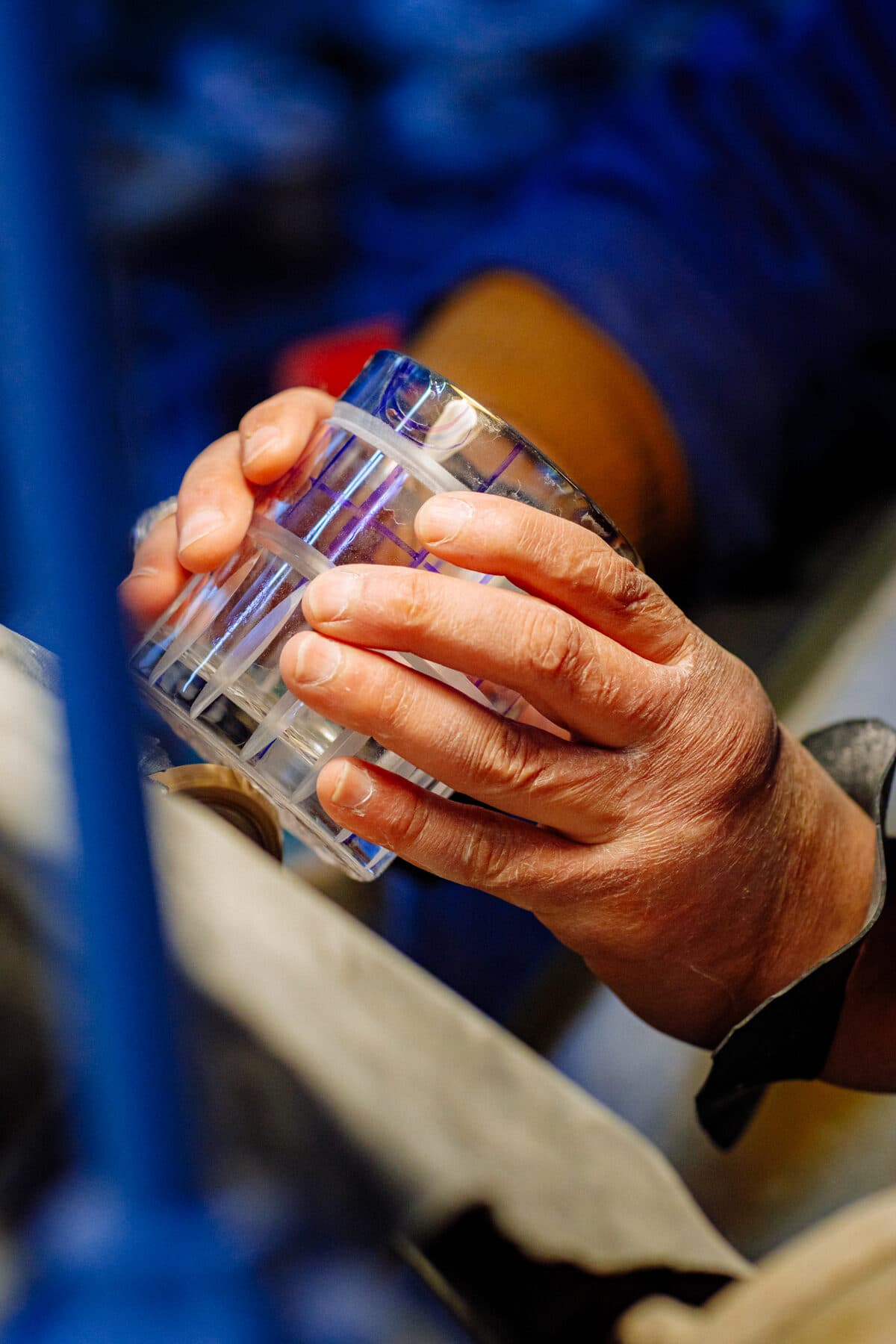
Through the 1970s and 80s the works kept expanding — a third production building went up, output lines multiplied, and a central factory laboratory began testing every batch of molten glass before it left the shop floor. Yet the trades themselves changed little. A glassblower still shapes each piece by breath and rotation, exactly as at the turn of the century, now working beside gas-fired tanks rather than wood-fed pots. Nearby, decorators hand-paint patterns onto crystal blanks, grinders finish each facet by hand on spinning wheels, and laboratory technicians check the chemical composition of every melt. It is close, repetitive, physical work — and it is essentially the same work, passed down through generations of masters, that keeps Neman crystal recognizable today.

Glassblowers shaping a piece by hand
Decorators hand-painting crystal
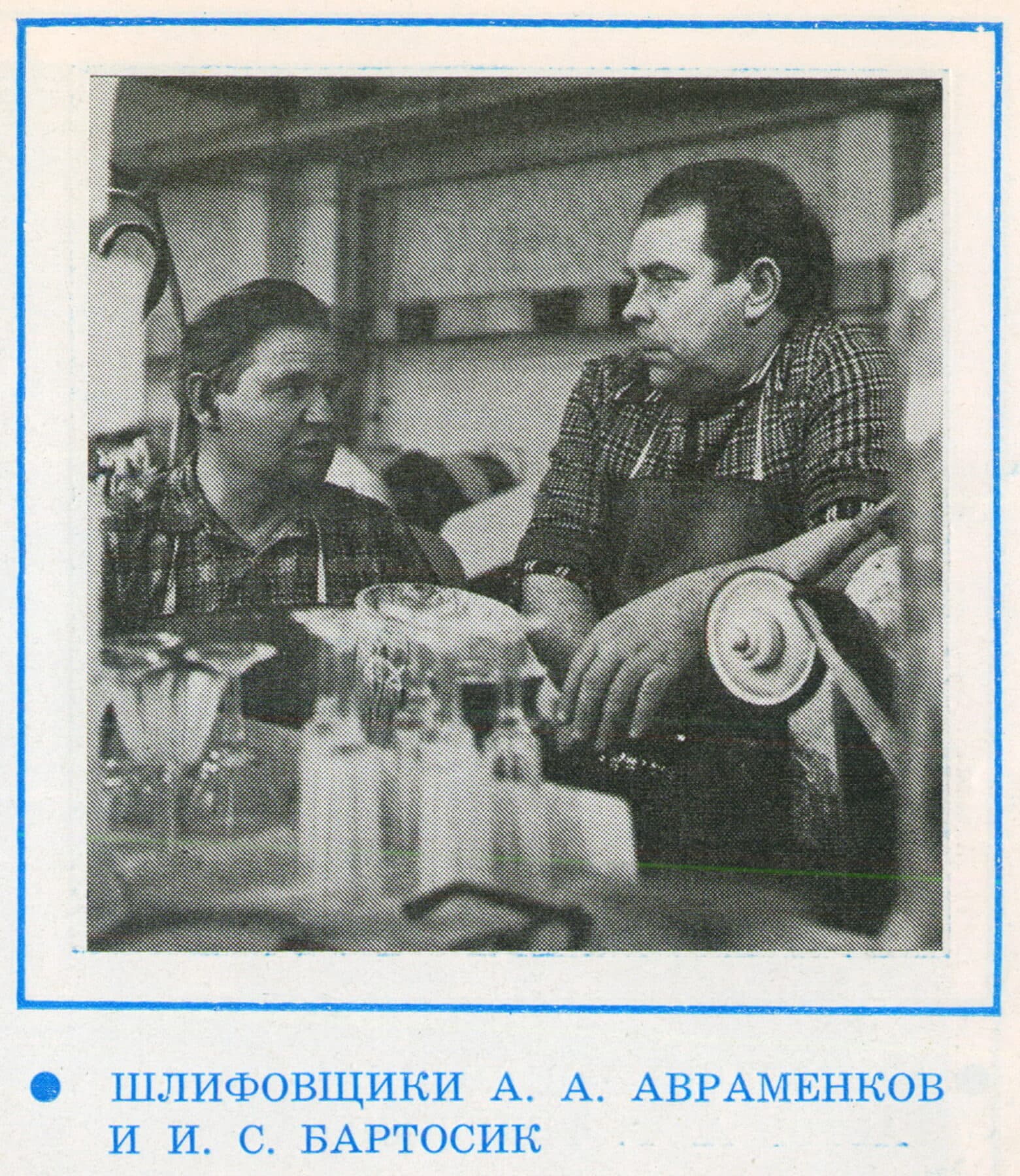
Grinders finishing cut-glass facets
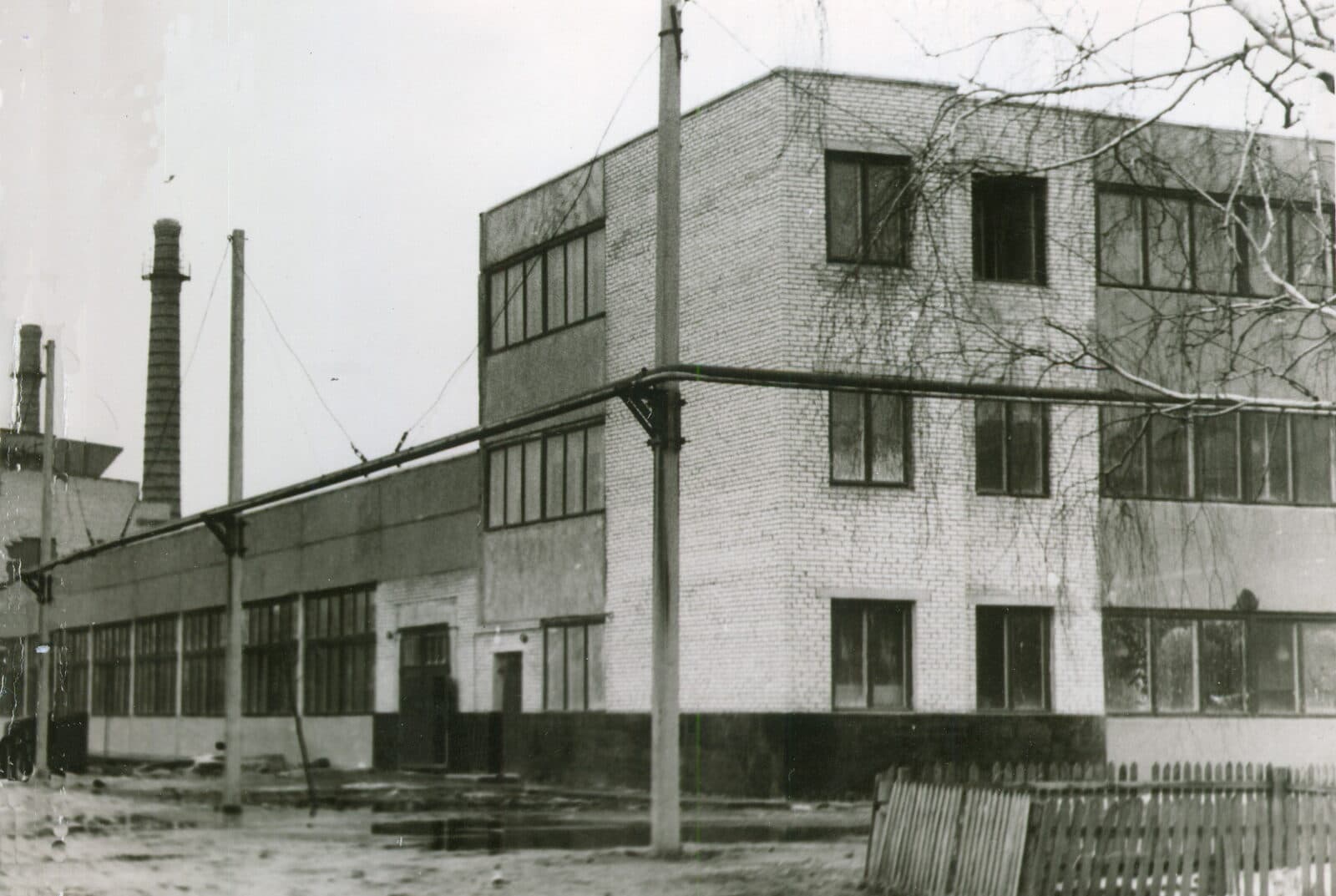
The Technical Control Department (OTK) building, 1970s
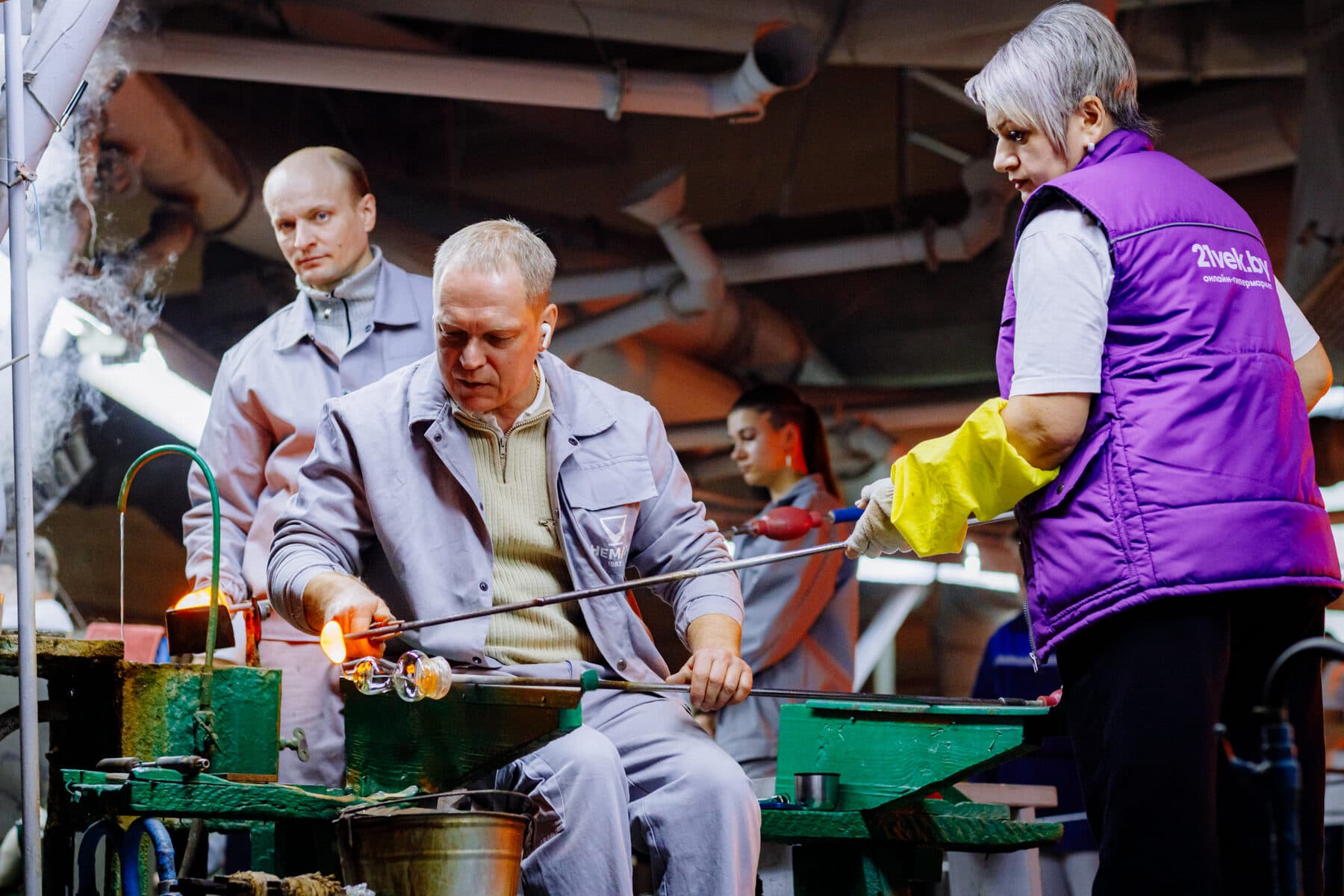
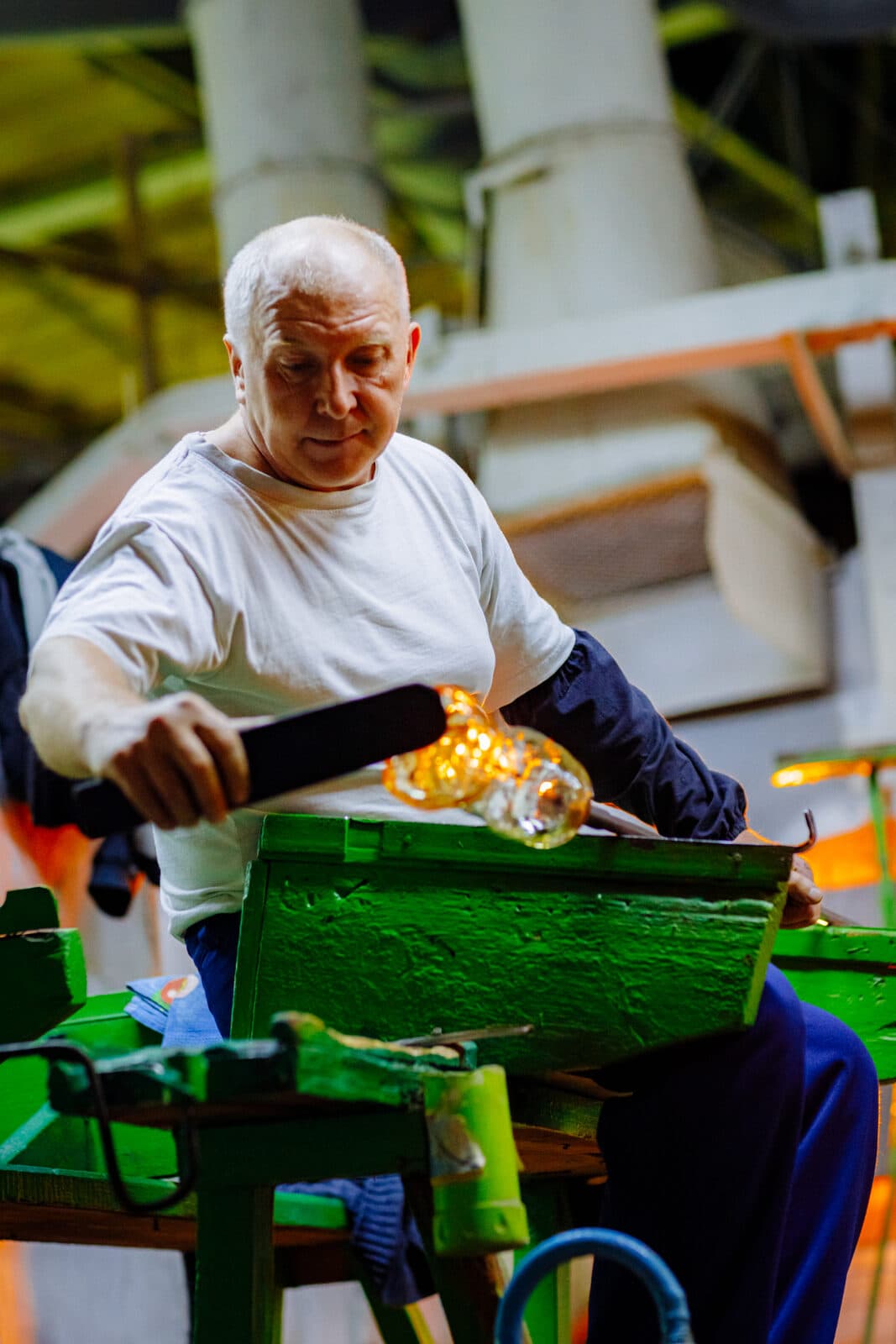
A master glassblower and his team at the furnace, present day

A master glassblower and his team at the furnace, present day

Today

Neman Today

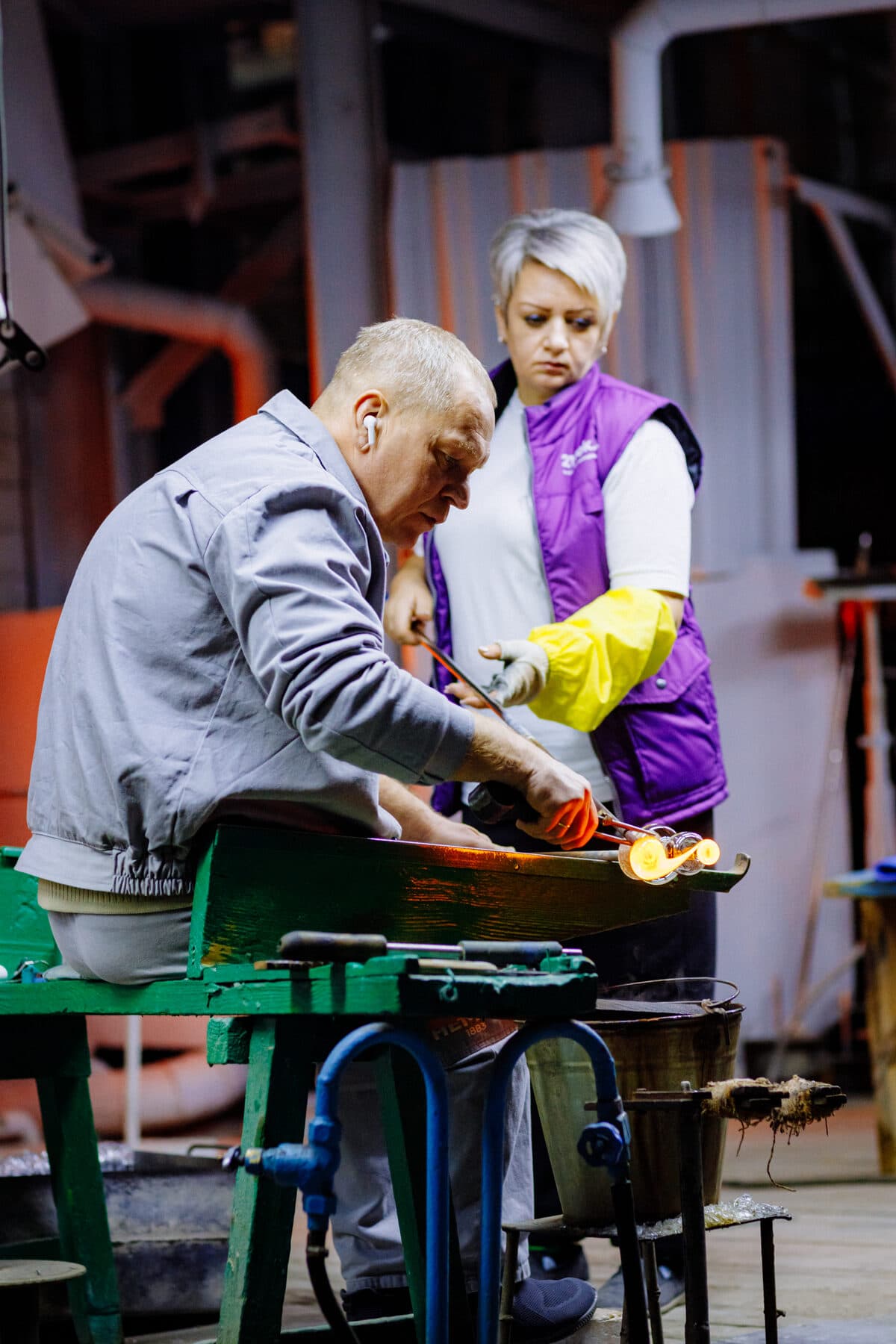
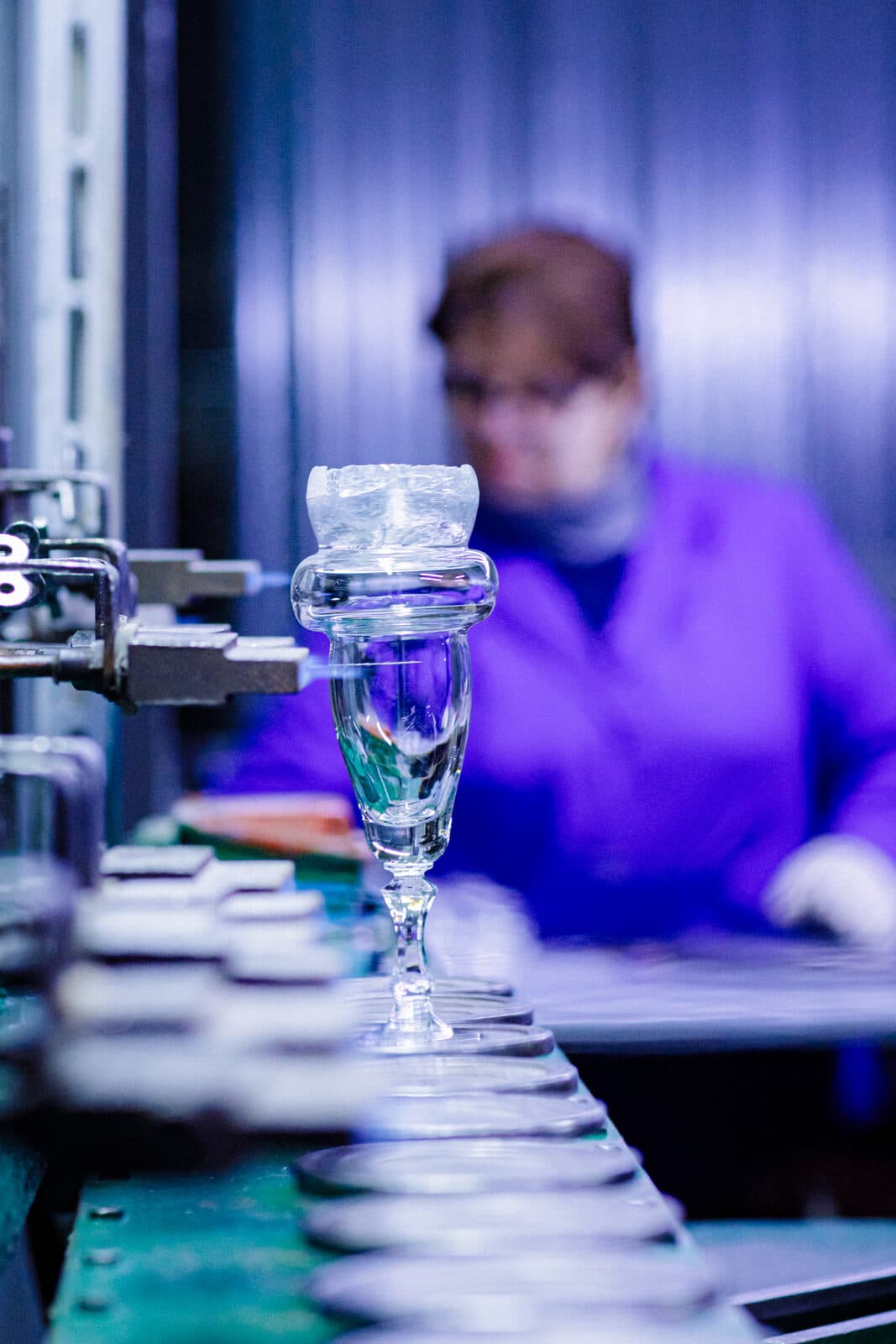
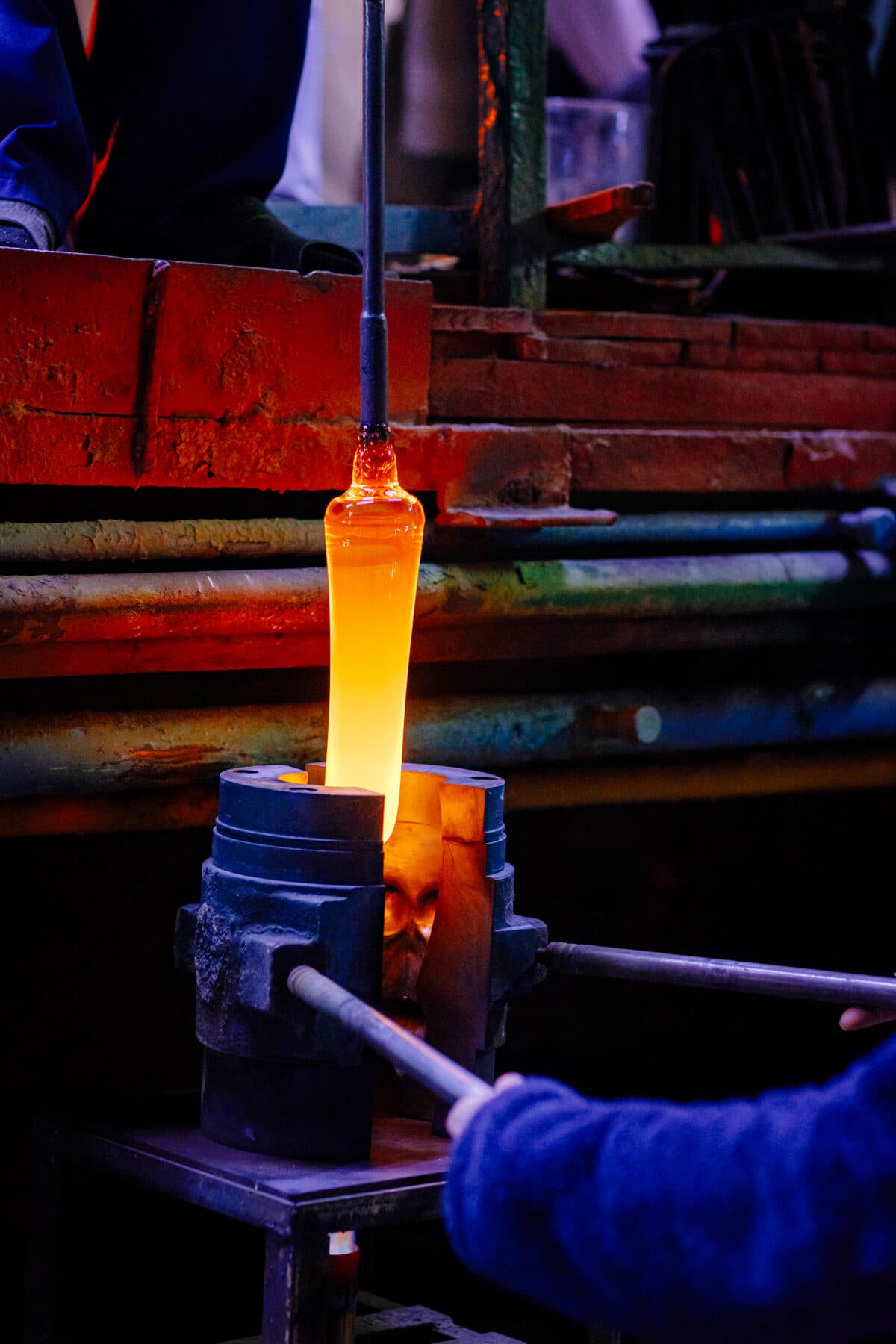
More than a century separates today’s OAO “Steklozavod Neman” from its first furnace — yet the craft at its core has not changed. The same furnace heat, the same blowpipe turning in a steady hand, the same freehand cut on a spinning wheel you see in these recent photographs are the direct continuation of the trades practiced by the glassblowers and decorators of the 1970s, and by the apprentices photographed at the furnace in 1910. A master glassblower still shapes each piece by breath and eye alone; a colleague still inspects every finished glass against the light before it leaves the shop floor; a grinder still cuts each facet by hand. That craft now lives on in two directions at once. The first is the direct heir of the Stolle family’s business: cut and hand-painted crystal and glassware, the very pieces once known in London and New York, now found in flagship retail and export markets around the world. The second is a new chapter of the same story: decades of experience in glass and glass-fiber melting became the foundation of the company’s mineral wool insulation line, NEMAN+. Different products, one furnace, one craft — generations of masters on the Neman, in a town the works itself built.

The production floor today
Shaping a piece by hand at the bench, present day
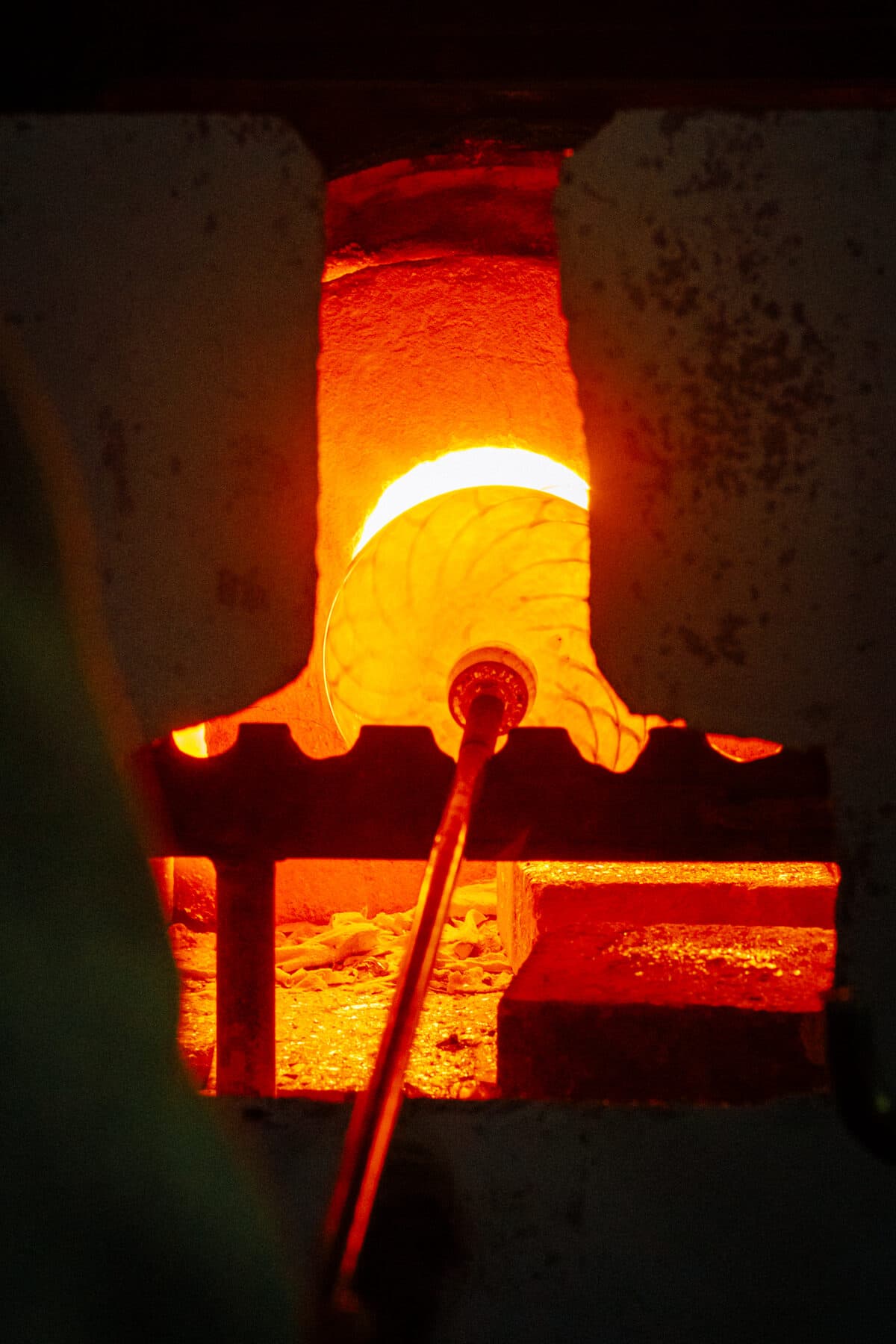
At the mouth of the furnace
The blowpipe and the molten glass, present day
Molten glass on the pontil rod
Inspecting finished stemware against the light
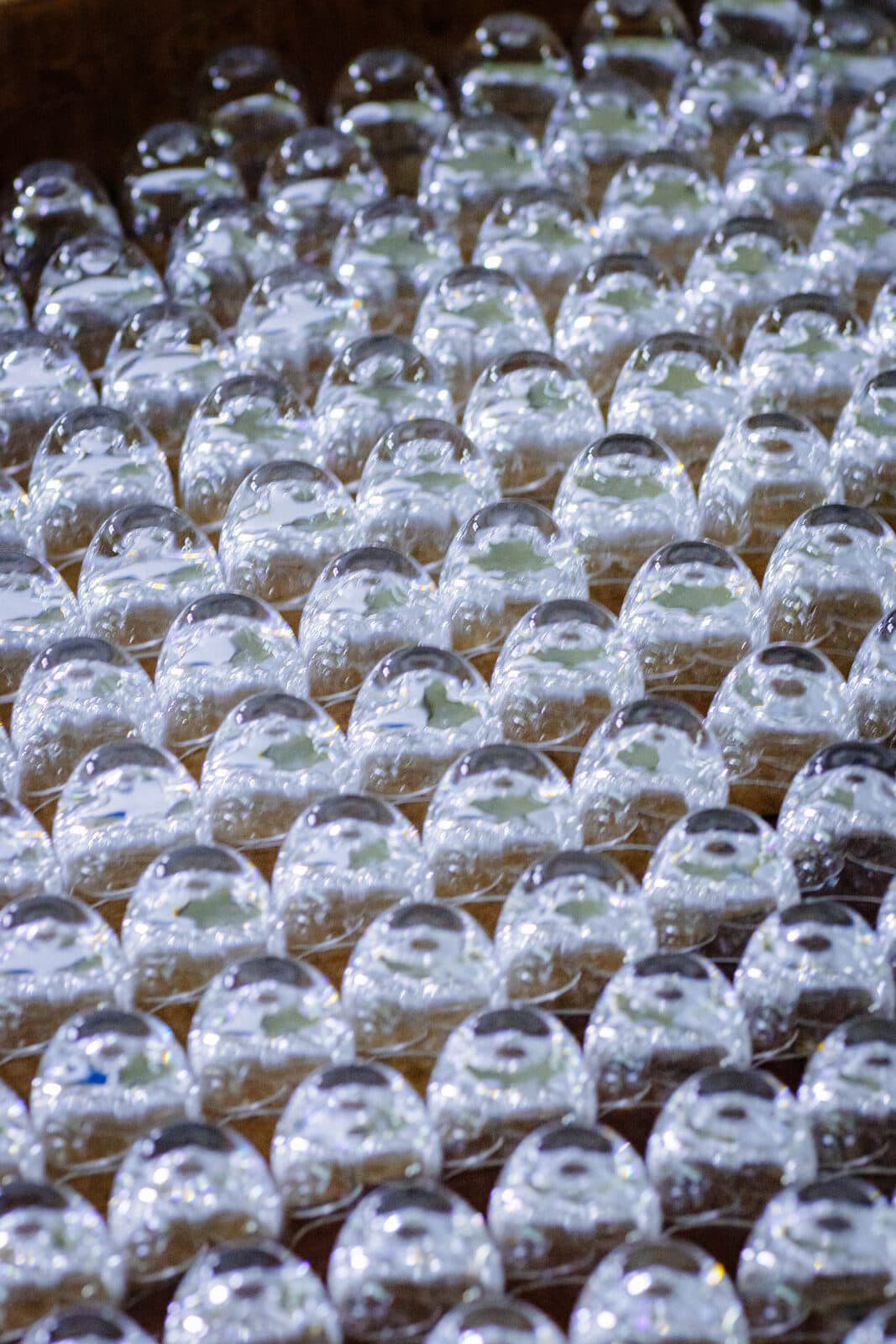
Finished stemware ready for the next stage
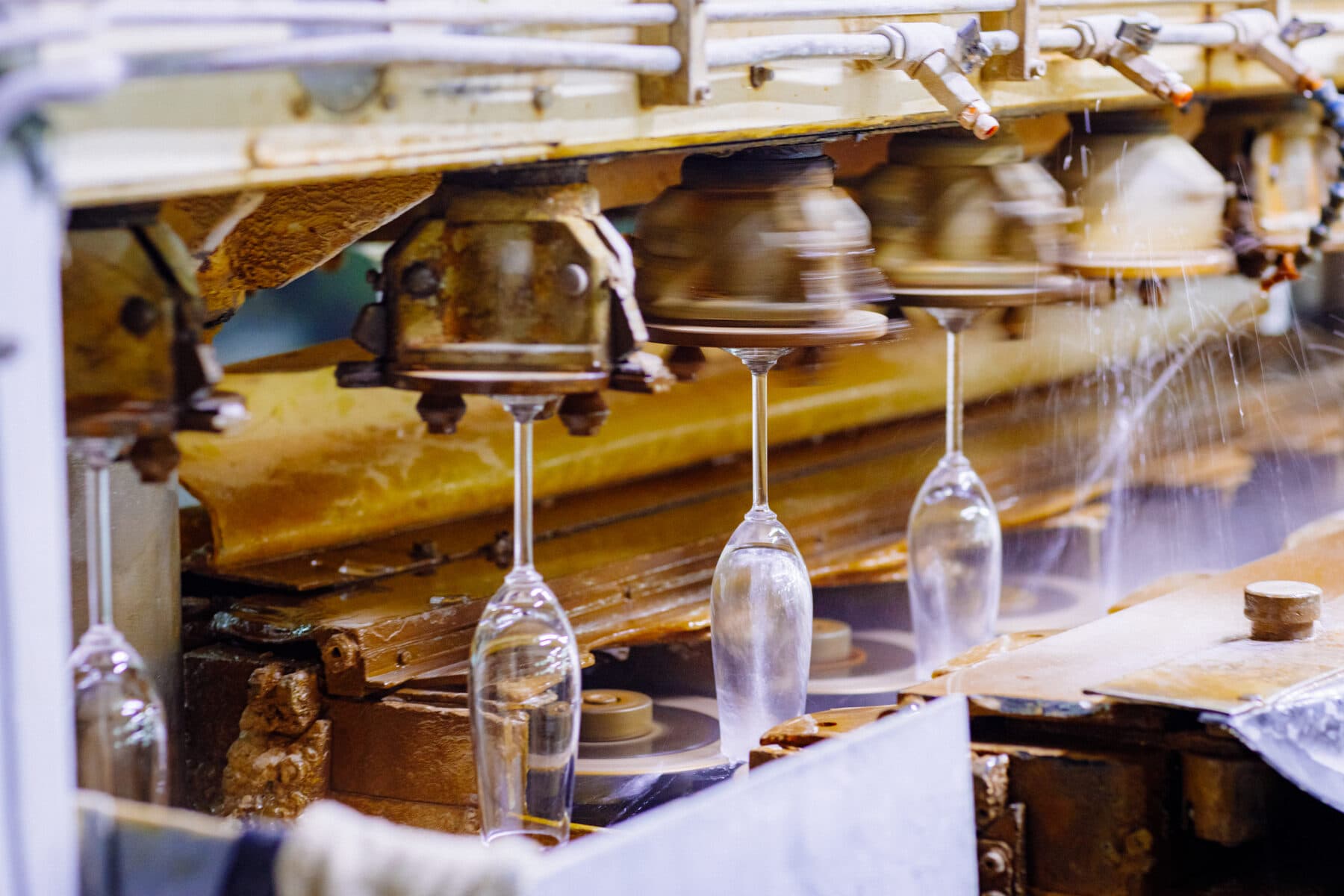
A grinder cutting facets freehand, present day
Cutting a facet on the wheel, close up
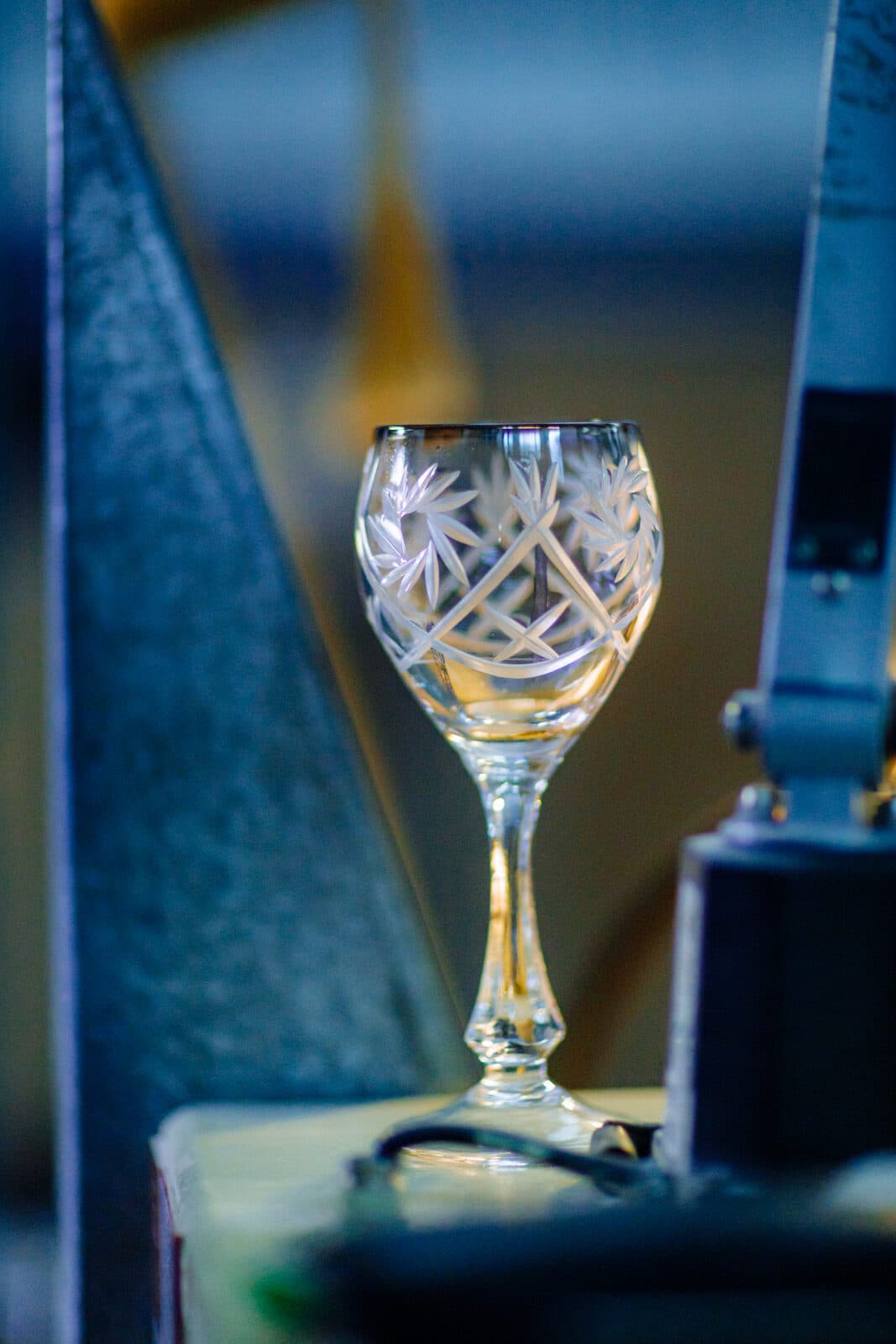
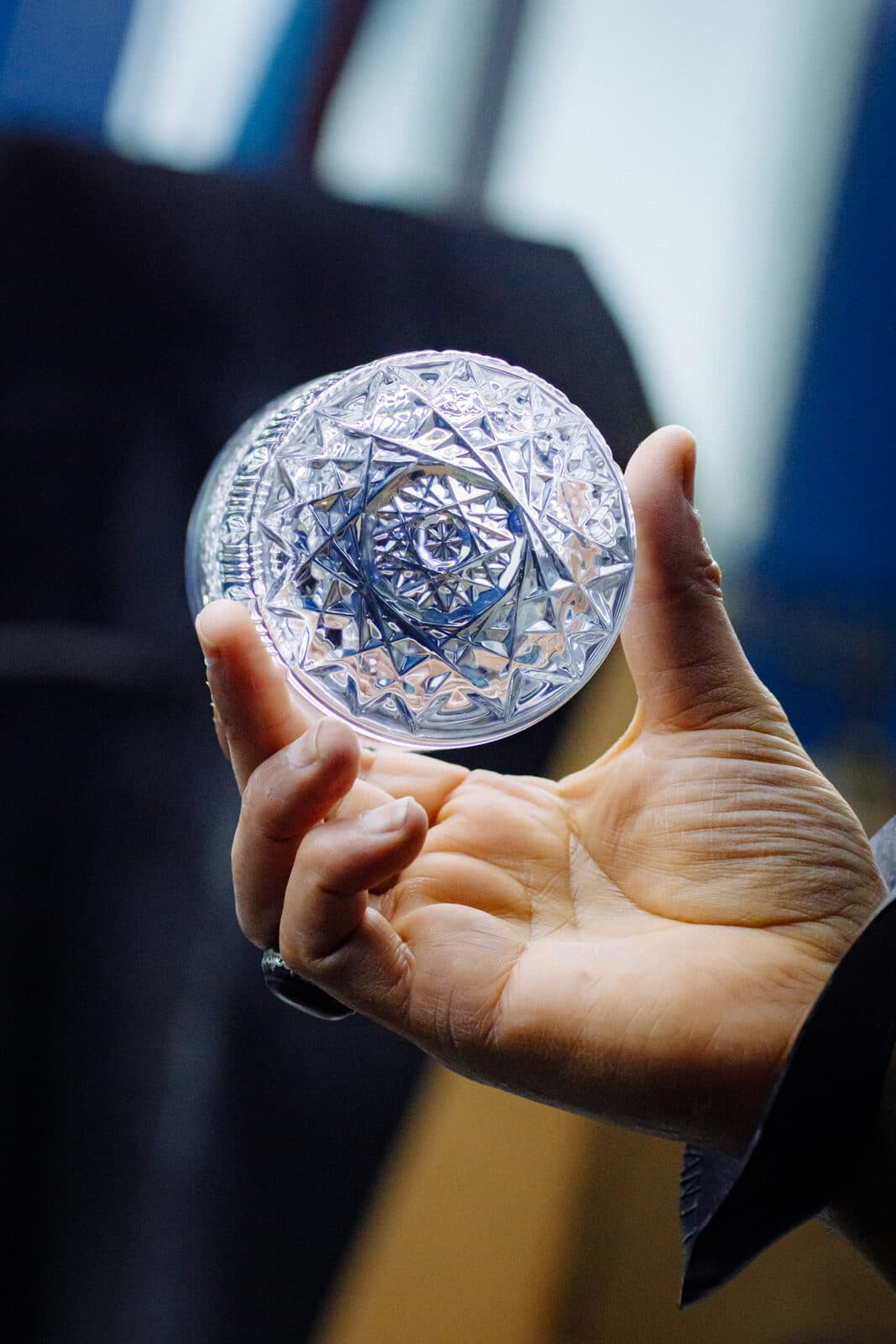
A finished piece of Neman crystal
A finished stemmed glass
A cut-crystal piece, freshly finished
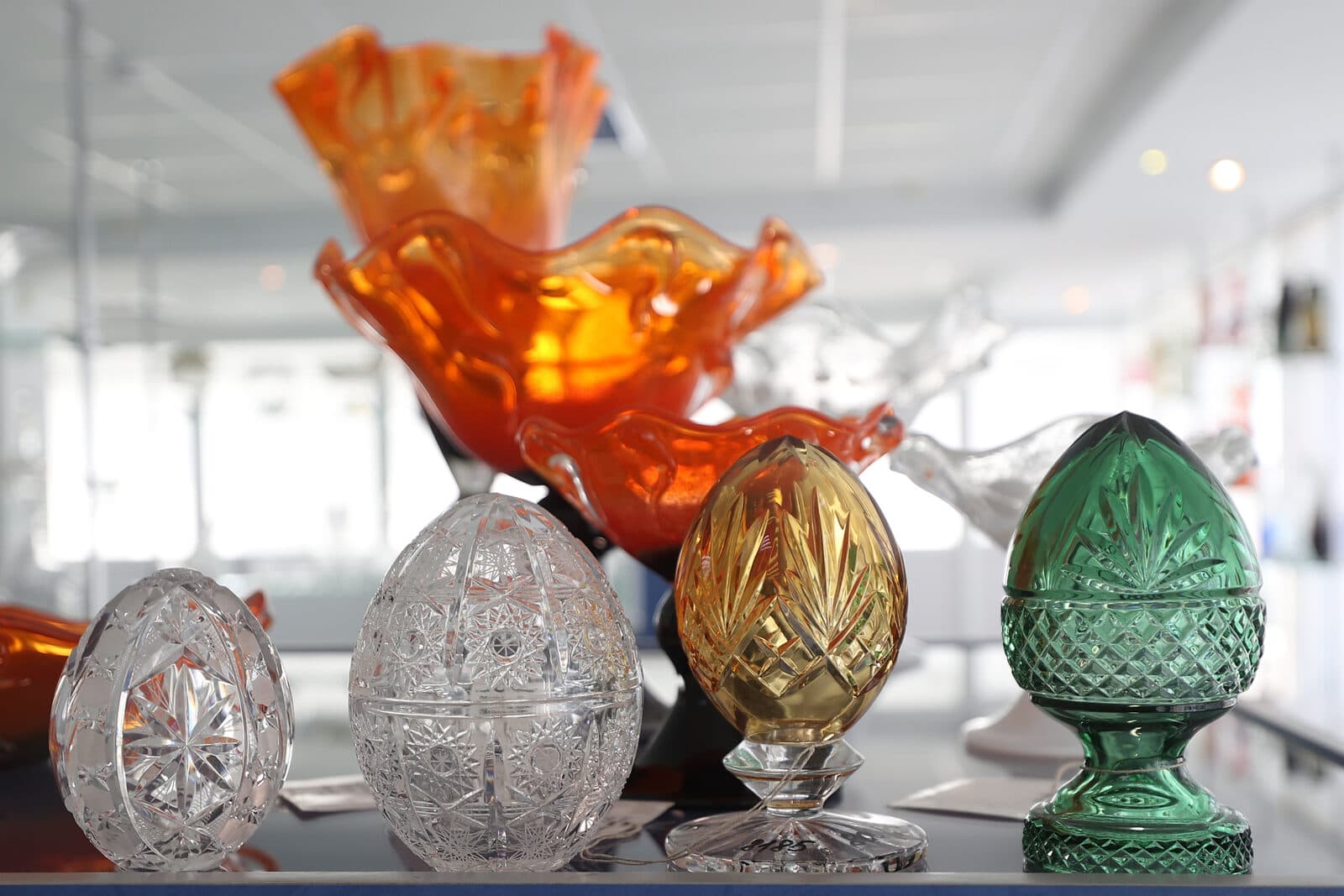
Neman crystal on display today
Why Neman

What Sets Us Apart

Handcrafted Quality

Every piece is shaped, cut, and finished by master artisans using techniques passed down for generations.

Exported to 15+ Countries

From China to the Baltics, Neman crystal and glassware reach discerning customers around the world.

Certified Production

Our manufacturing meets international quality standards, backed by formal certification.

OEM & Private Label

We partner with brands worldwide to produce custom collections under private label.

Production

Inside the Glassworks

The Furnace

Molten glass at over 1400°C, the starting point of every piece.

The Production Line

Precision shaping and quality control at every stage.

Cutting & Engraving

Master engravers hand-cut every facet and pattern.

Catalog

Collections

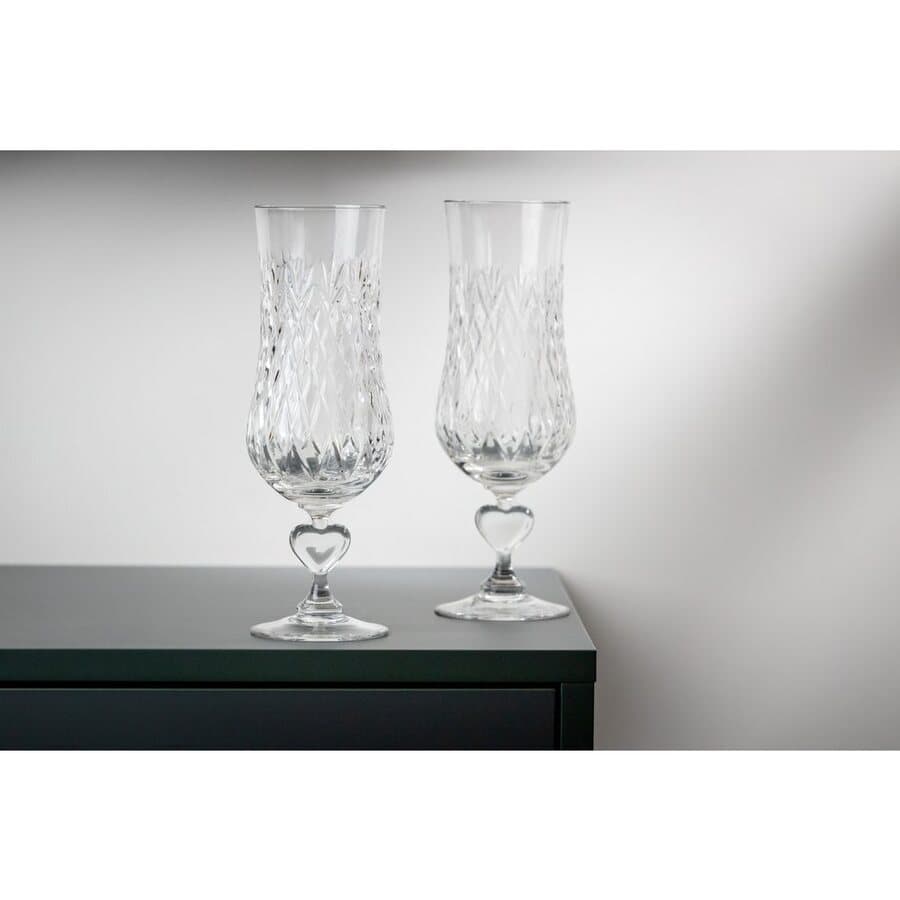
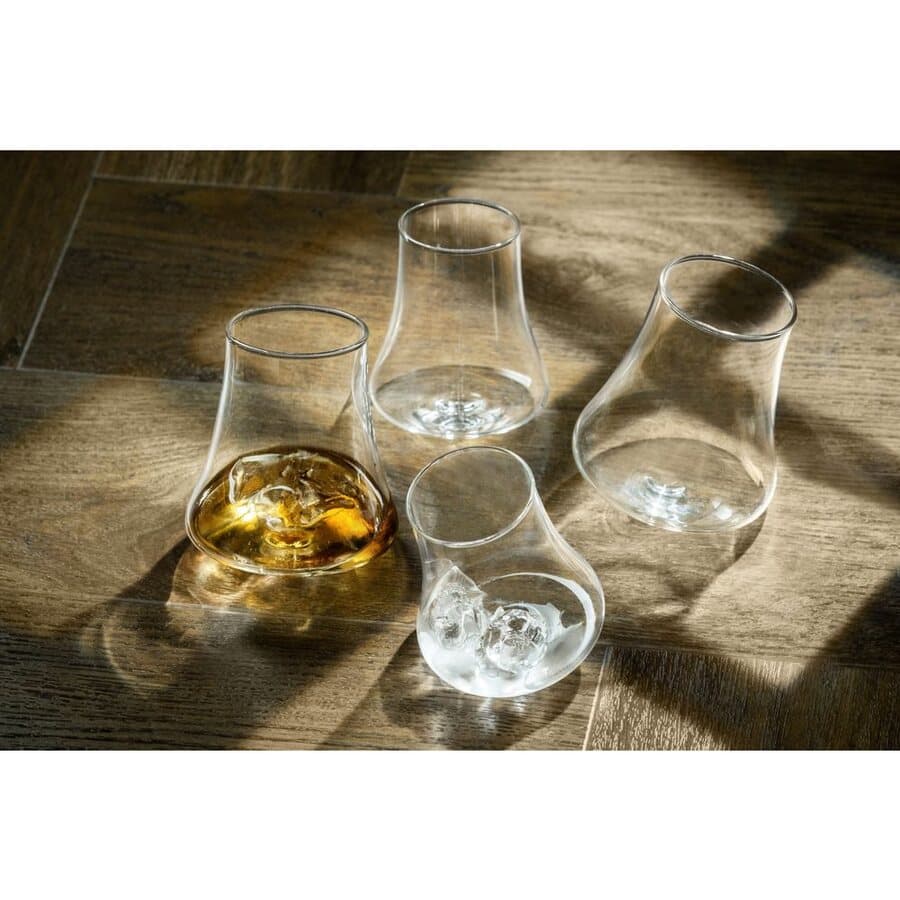
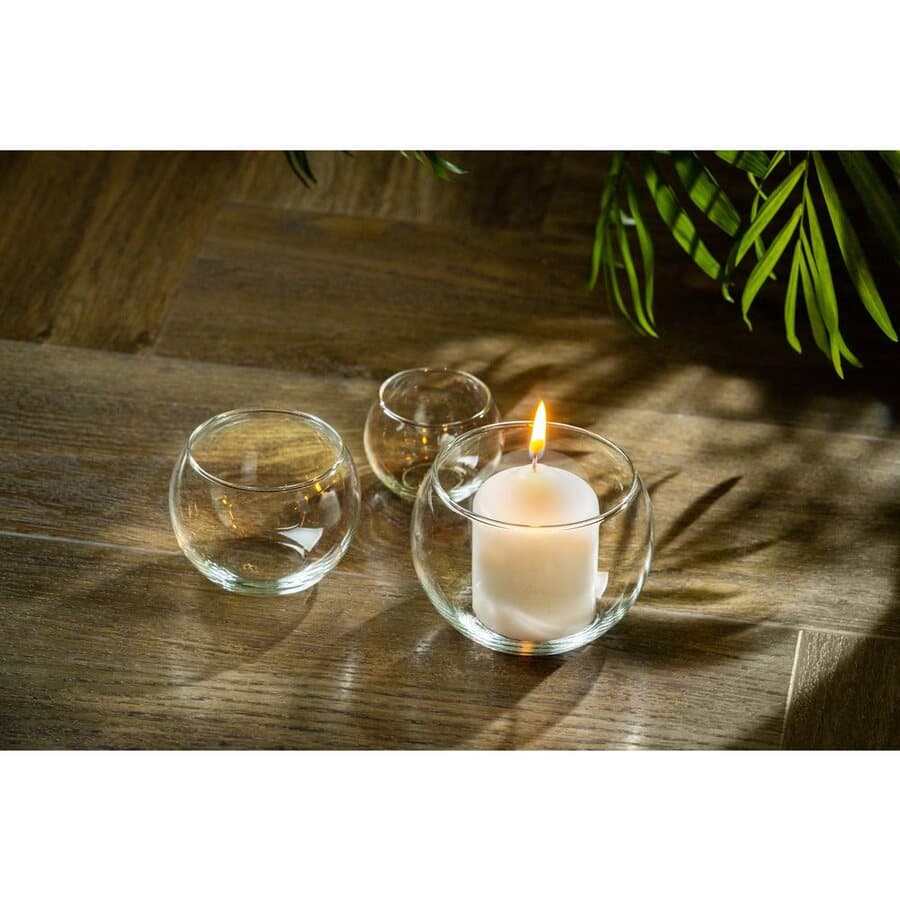
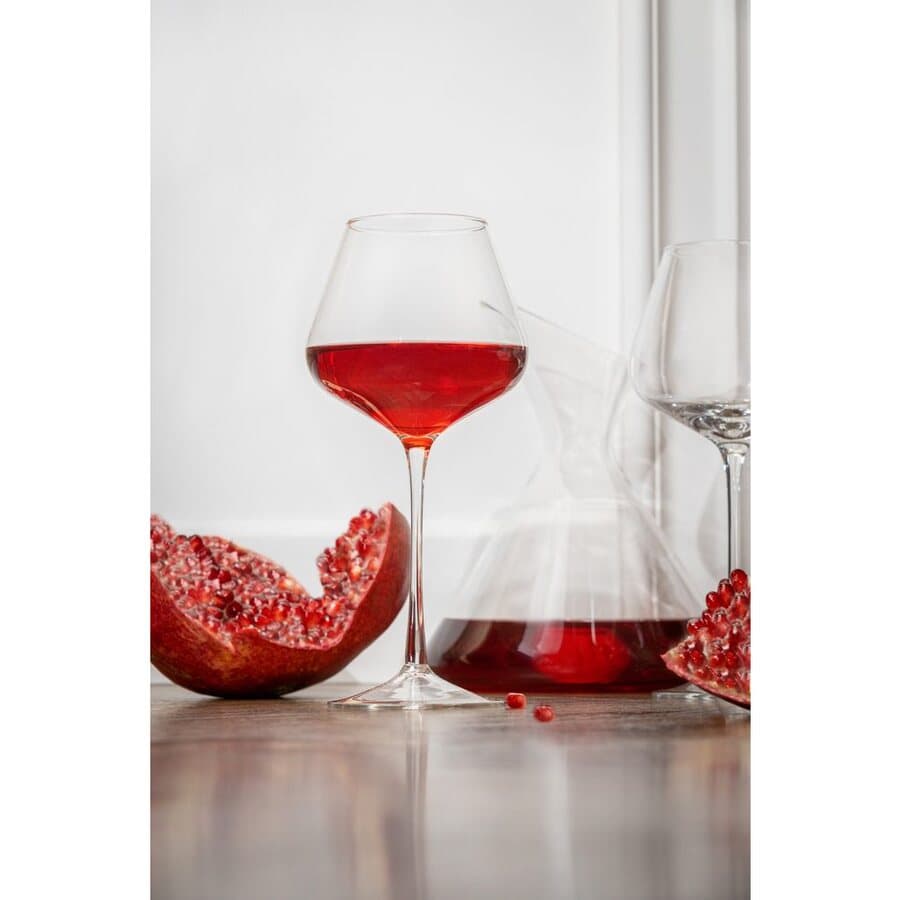
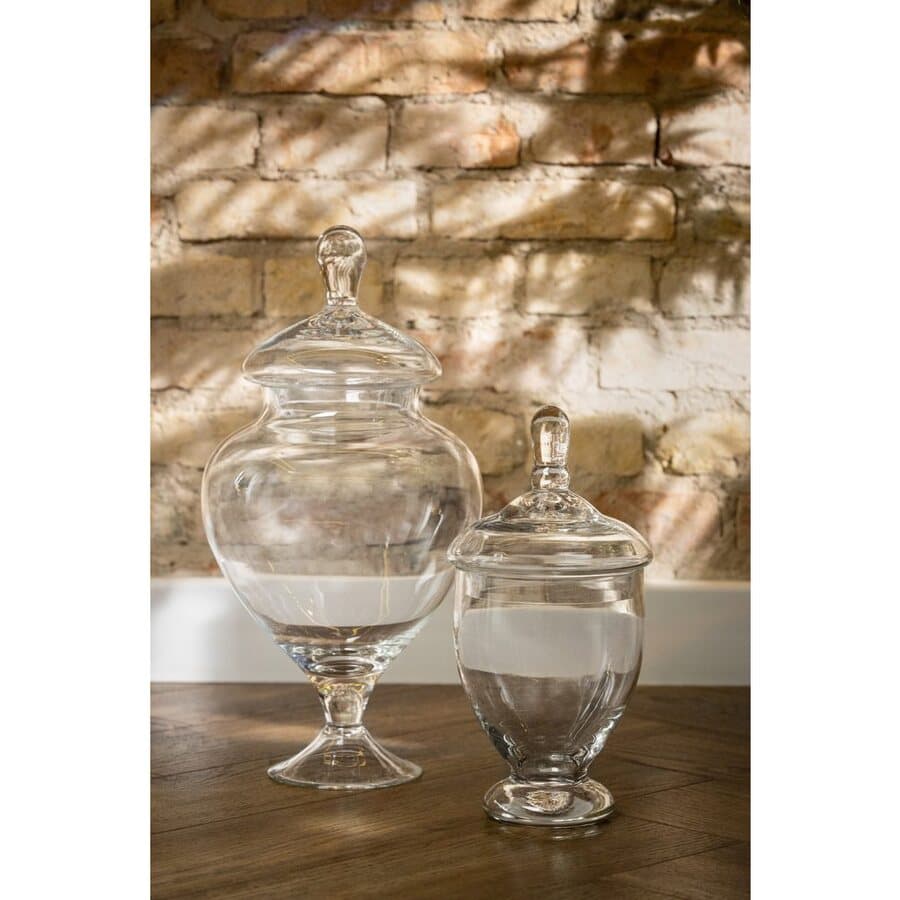
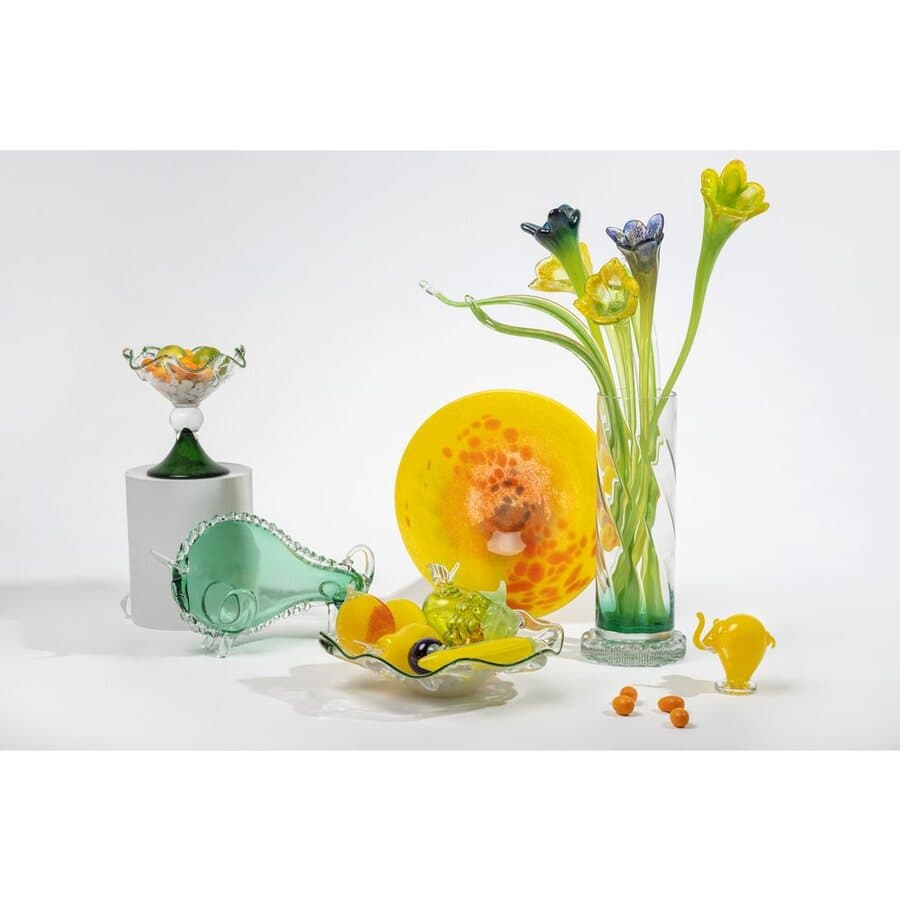
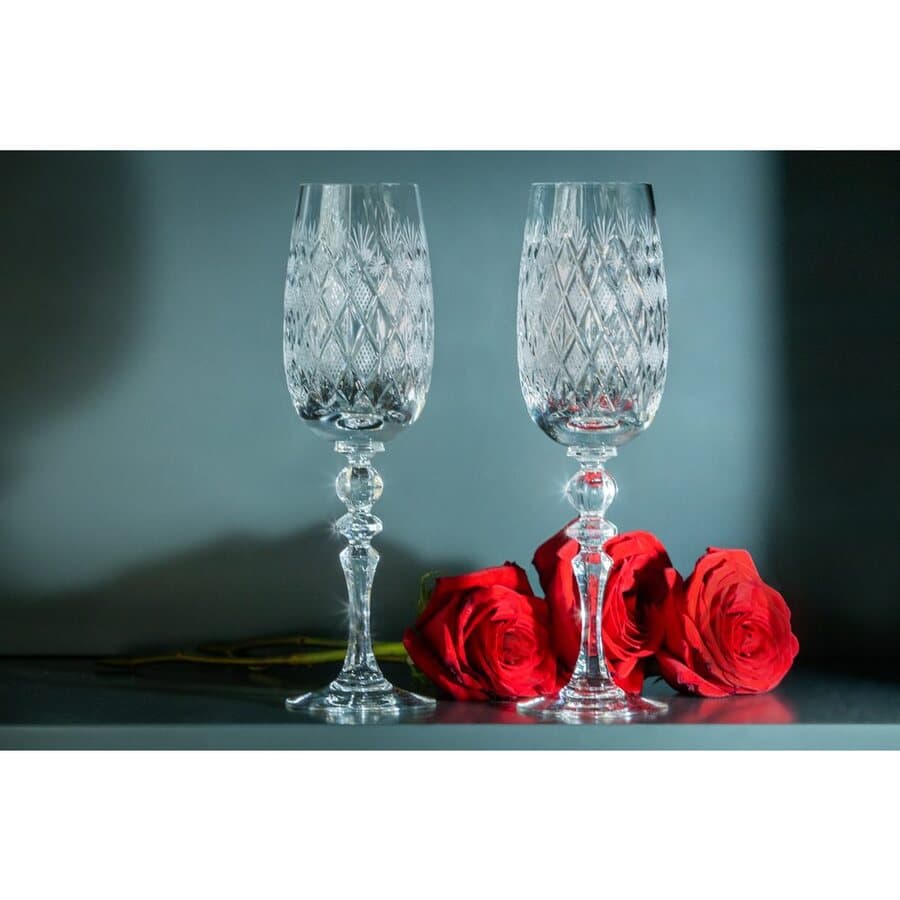
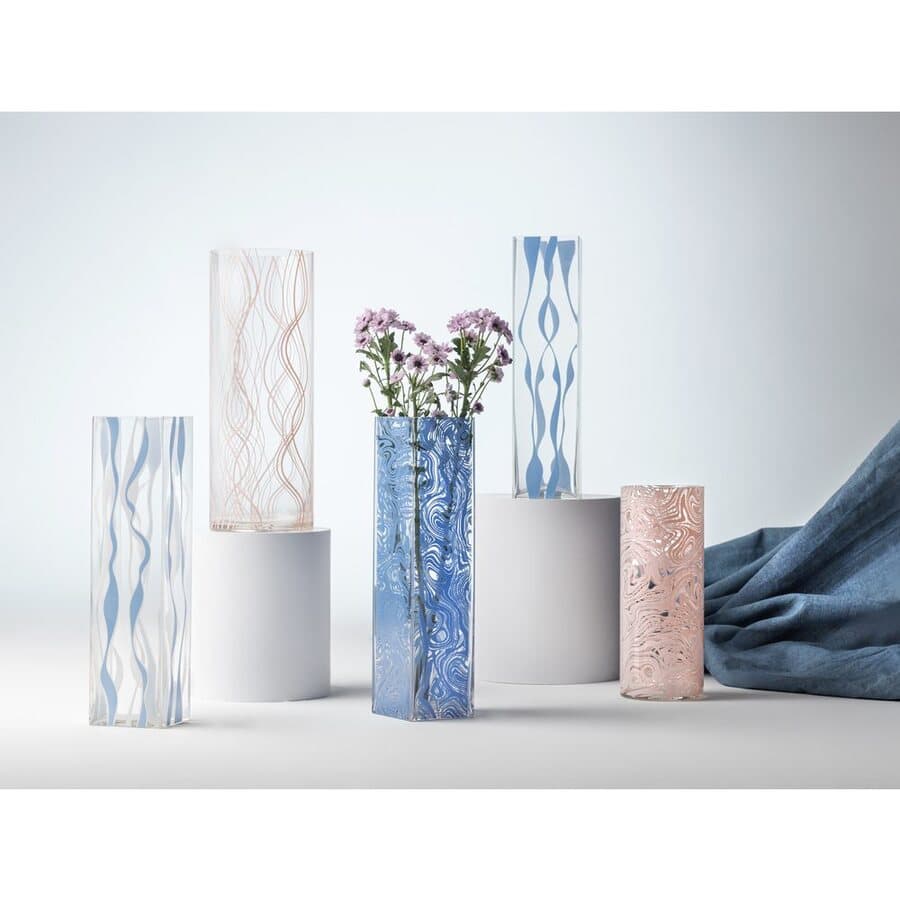
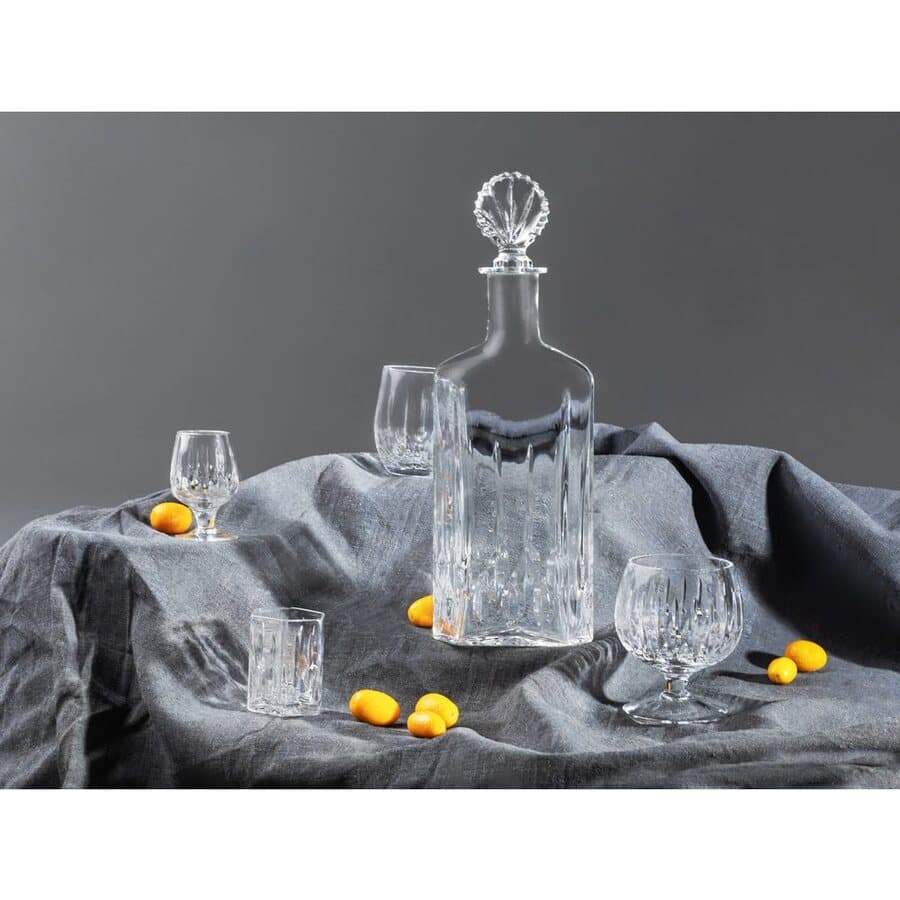
Explore our full range of crystal and glassware

Collections
Collections
Collections
Collections
Collections
Collections
Collections
Collections
Collections
Collections
Collections
Collections
Watch

Neman Glassworks — Full Presentation

A complete look at our craftsmanship, from raw material to finished piece.

Craftsmanship

Masters of the Works

The people whose hands turn glass and crystal into a work of art

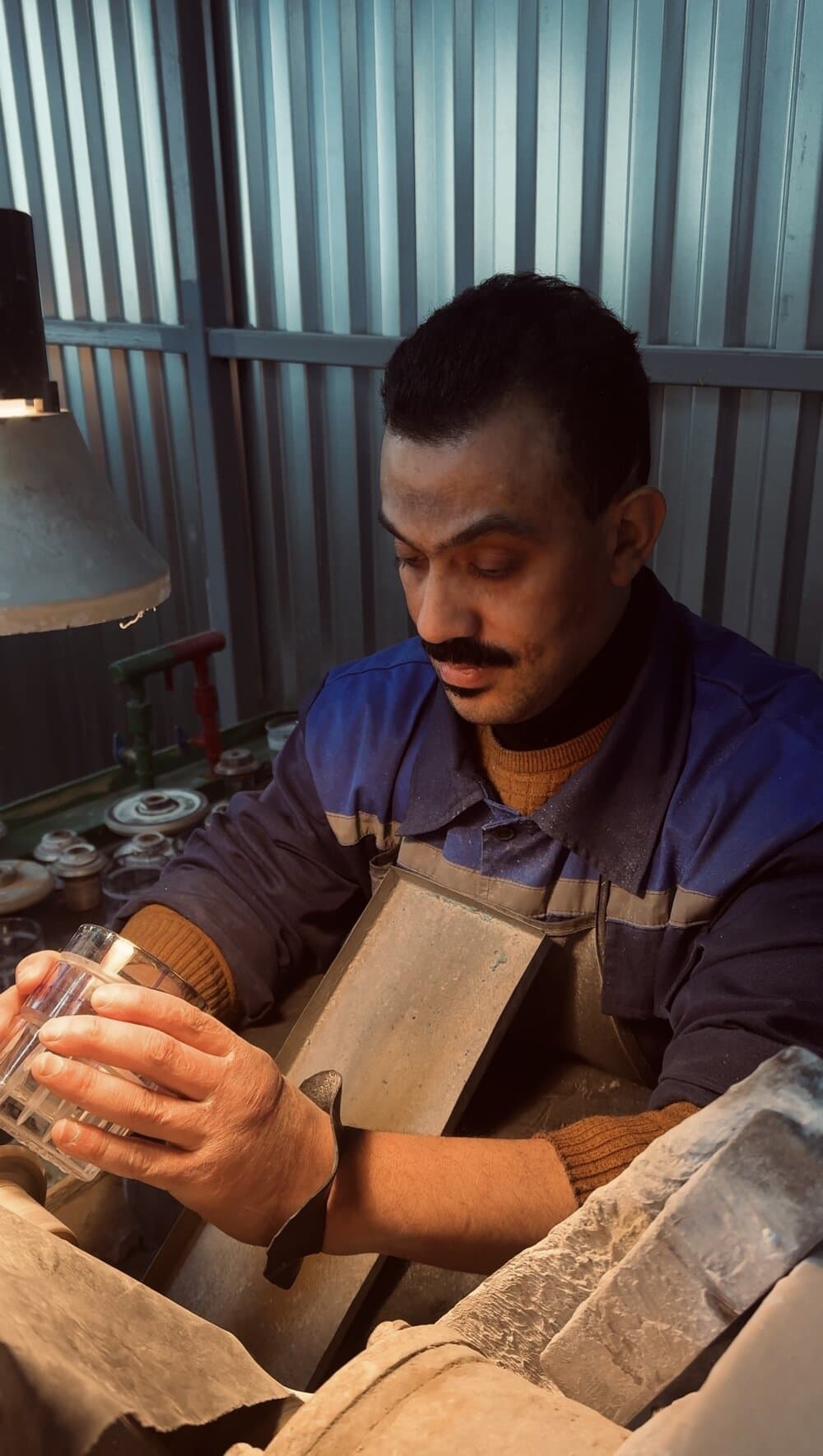
Zidan Samekh AliMuhammad

Zidan Samekh AliMuhammad

Glass and Glassware Grinder, Grade 7

I am very glad to be part of the Neman Glassworks. I feel I have grown a great deal in my craft, because I have loved crystal since childhood. My dream was to work here, with you. I feel part of a large family — the Belarusian people. Wonderful, kind people live here, who accept and respect everyone. And that makes me truly happy.

Selected works

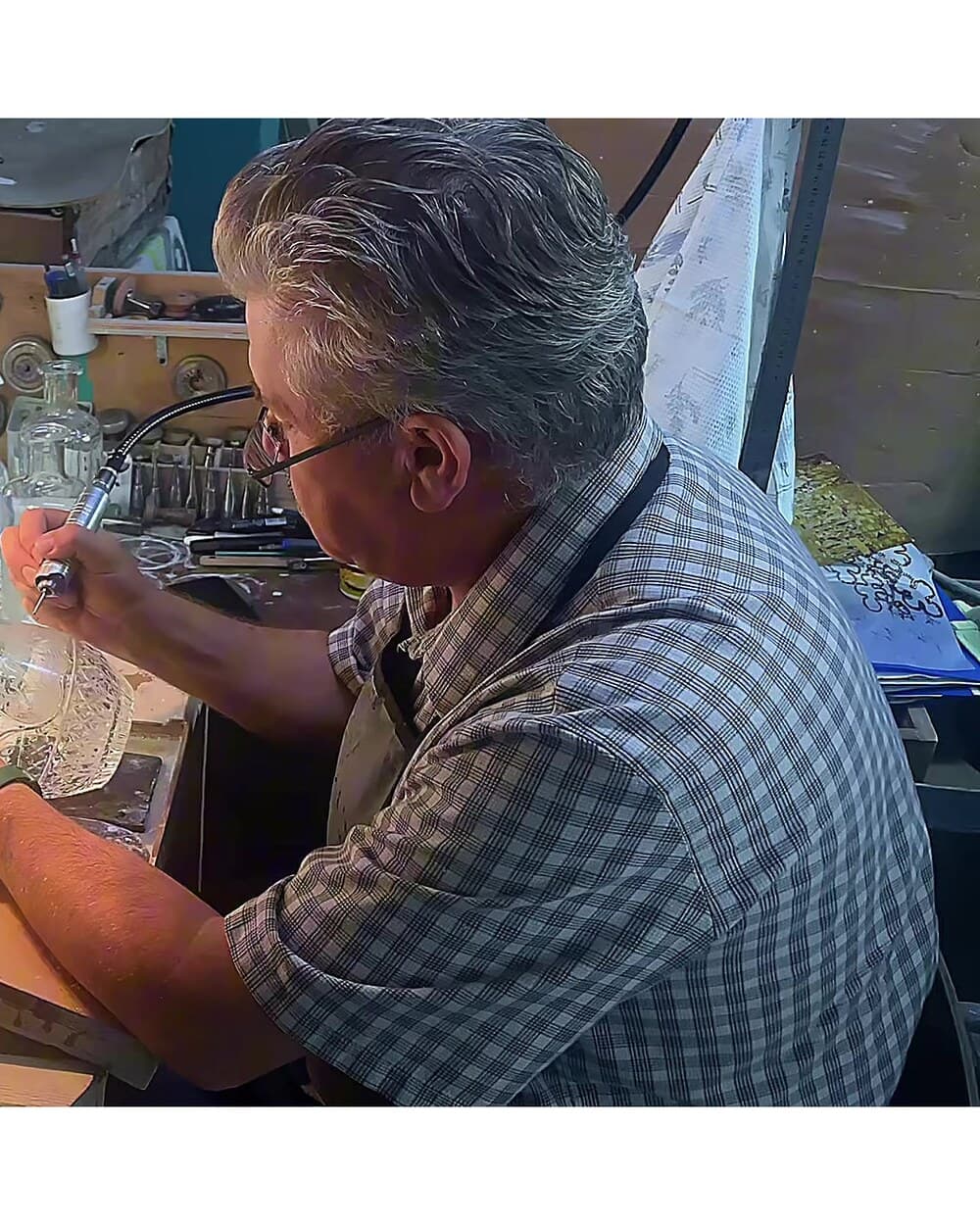
Ramil Myazitov

Ramil Myazitov

Glass and Glassware Grinder, Grade 7

I am grateful to fate that for more than 36 years I have worked at the legendary Neman Works, rich in history and master craftsmen. In that time I have managed to raise the level of engraving at the works to a world-class standard. Yet perfection has no limit. My students and colleagues and I will keep delighting connoisseurs of beauty with new work.

Selected works

Global Reach

Export Geography

Neman products are shipped to customers across the following countries

🇨🇳China
🇺🇸United States
🇷🇺Russia
🇰🇿Kazakhstan
🇦🇿Azerbaijan
🇷🇴Romania
🇱🇹 🇱🇻 🇪🇪Baltic States
🇺🇦Ukraine
🇧🇾Belarus
Partnership

How We Work With Dealers

1

Inquiry

Placeholder — send us your requirements and we'll respond with a tailored proposal.

2

Sample

Placeholder — we prepare and ship a product sample for your approval.

3

Agreement

Placeholder — we finalize terms and sign a supply agreement.

4

Logistics

Placeholder — we coordinate production and delivery to your destination.

Get in Touch

Request a Quote

Tell us about your business and we'll get back to you shortly.

Or reach us directly